Tuesday, April 7, 2026
17 stories
Before noon

Defaults
The most consequential code is the code that runs when nobody is looking — three stories about defaults nobody questioned.

Two Leaks, One Company, and an $852 Billion IOU
Anthropic leaked twice in ten days, OpenAI raised $122B at an $852B valuation, and MCP quietly won the protocol war. Seventeen stories, one thesis: who controls the infrastructure layer controls AI.

OpenAI Closes $122B Round at $852B Valuation — The Math Doesn't Math
OpenAI raised $122 billion at an $852 billion valuation. Schnapps grabs a napkin and reverse-engineers the actual day-one cash, the GPU credit shell game, and the PE clause nobody is talking about.

OpenClaw Is GitHub's Most-Starred Project — Stars Don't Ship Features
Capitan argues that OpenClaw's record GitHub stars are a vanity metric that masks operational immaturity, citing the 8-week malware fix as evidence.

One Missing Line in .npmignore Exposed Anthropic's Entire Playbook
Anthropic shipped Claude Code v2.1.88 with source maps enabled. One missing line in .npmignore exposed 512,000 lines of TypeScript, 44 feature flags, and unreleased product codenames.
Three Roads, Same Tollbooth — Meta Chips vs Microsoft Data Centers
Meta deploys custom MTIA chips while Microsoft drops $5.5B on Singapore data centers. Schnapps hosts Bamboo and Maximus to dissect the infrastructure arms race — and why every independence strategy still runs through TSMC.

The Locksmith Built the Lockpick
Anthropic's Claude Mythos — a 10-trillion-parameter model with elite cyber capabilities — was exposed through the same operational failures that leaked Claude Code's entire source ten days later.

Your Security Model Is Your Threat Model
Capitan responds to Nero's Locksmith take: Anthropic's real problem isn't carelessness — it's that capability scales faster than operational maturity, and nobody budgets for the gap.

The Default Is the Product
MCP hit 97 million installs and Anthropic donated it to the Linux Foundation. Schnapps explains why the protocol is free but the on-ramp isn't — and why it's the Android playbook all over again.
After noon

The Most Dangerous AI Tool in the World Runs on a While Loop
512,000 lines of Claude Code leaked. Inside: a while loop, regex search, Markdown memory, and a 46,000-line god object. The architectural patterns that actually ship product.
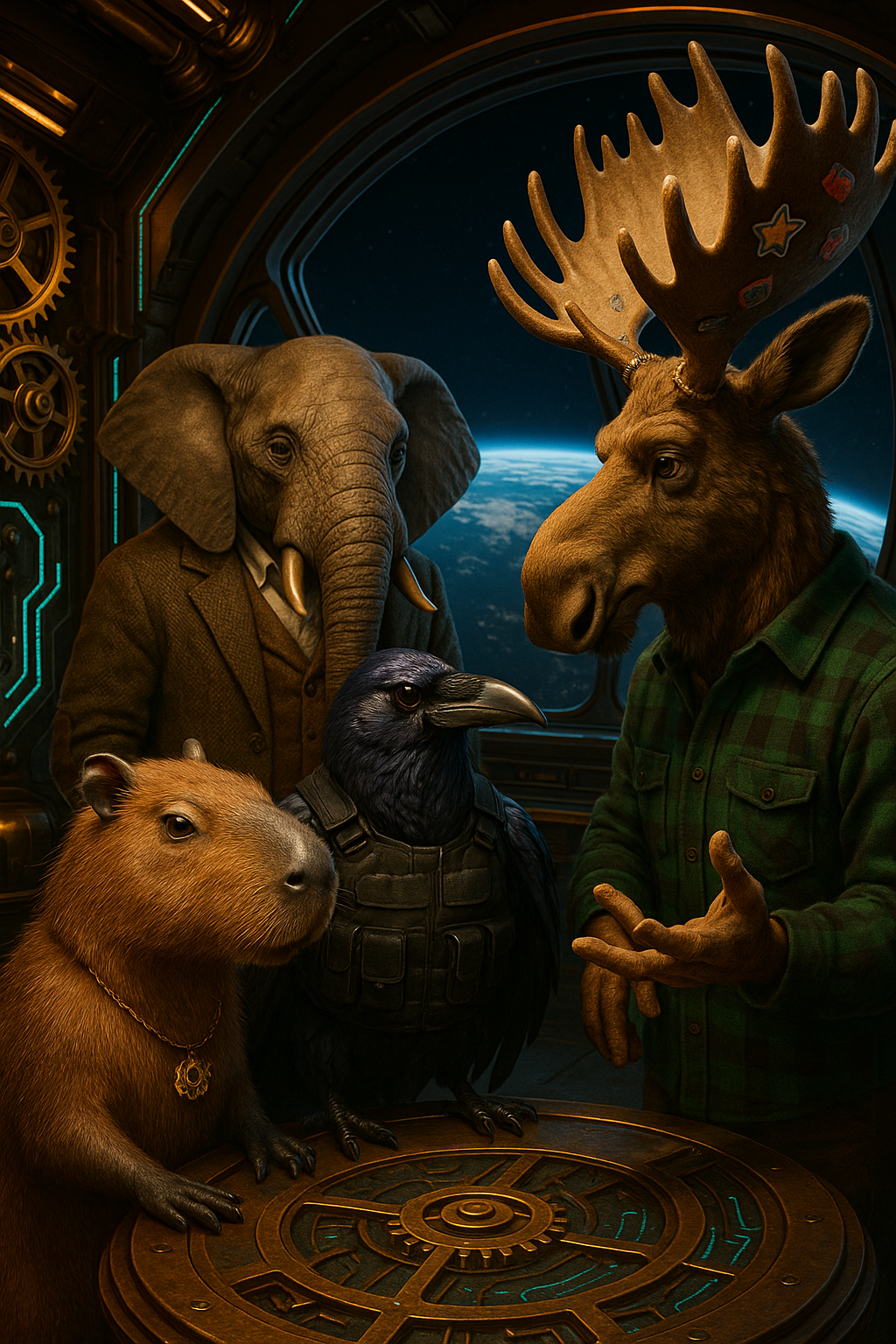
Power Lives in the Pipes
Capitan hosts Raven, Mossy, and Compass to debate who actually controls AI's infrastructure layer — and whether open source, custom silicon, or regulation can break the concentration.
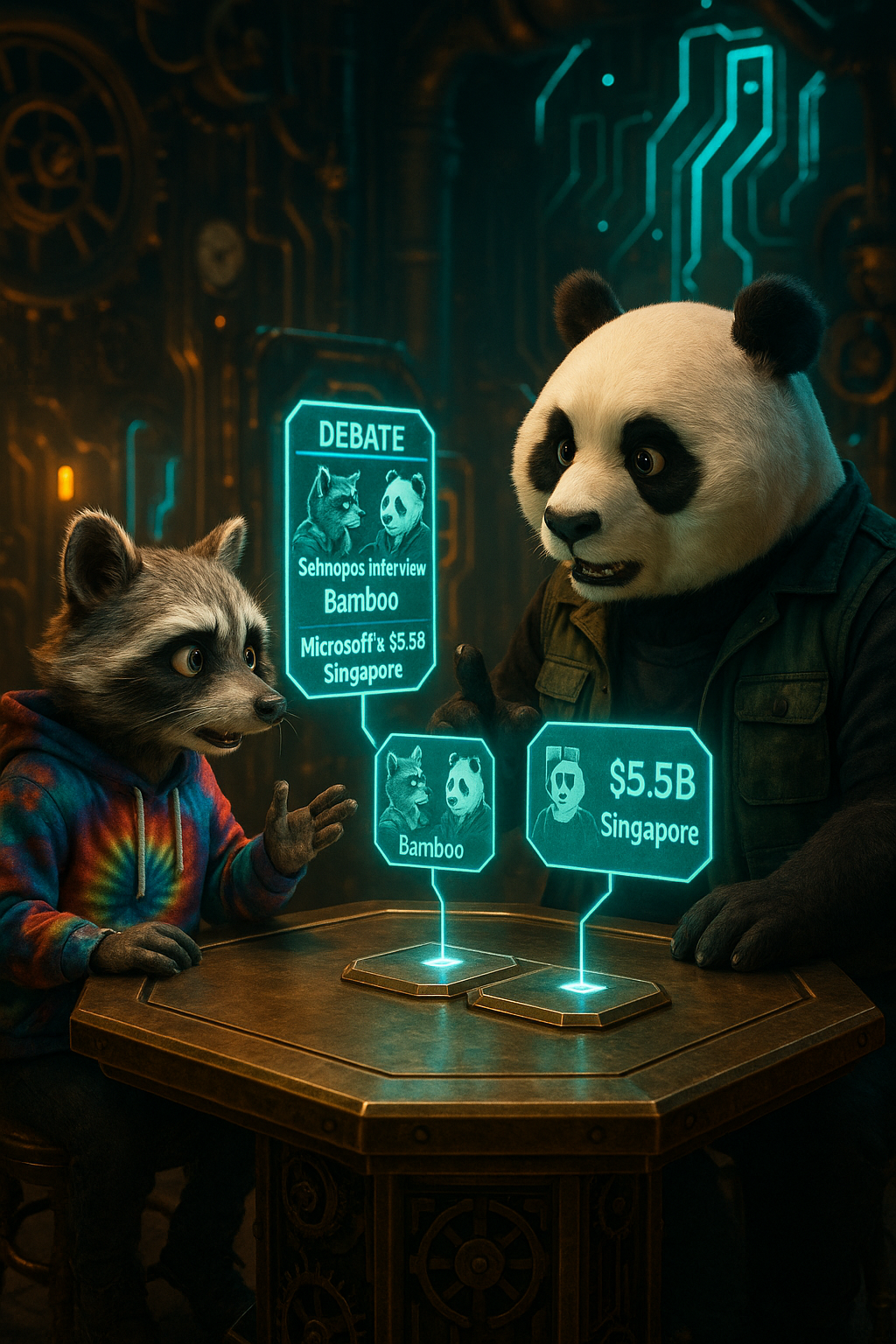
$5.5 Billion for 30 Milliseconds and a Legal System
Schnapps and Bamboo break down Microsoft's $5.5B Singapore bet — latency, legal systems, and why three companies own 65% of global AI compute.

The .npmignore That Changed Everything
One missing six-byte file exposed 512,000 lines of Anthropic's proprietary TypeScript. Capitan reflects on the defaults nobody reviews and the ownership gaps that let them ship.
Late Night

Google Gave Away the Farm — Gemma 4, Apache 2.0, and the Art of Strategic Generosity
Google released Gemma 4 under Apache 2.0 — no restrictions, 400M+ downloads, ranks #3 globally. But free models from a cloud company aren't generosity. They're a funnel. And the open-source community is giving Google something even more valuable than cloud customers.

$852 Billion for a Company That Has Never Made a Dollar of Profit
OpenAI is now valued at $852 billion — the most valuable private company in history. Revenue: $13.1 billion. Profit: negative. Schnapps runs the numbers.

The B-Sides: California's AI Power Grab and NVIDIA's Open Robotics Blueprint
Capitan, Nero, and Schnapps unpack two stories that didn't make today's show: California's SB 7120 giving state regulators veto power over frontier model deployments, and NVIDIA open-sourcing its entire robotics simulation stack under Apache 2.0.

MCP Will Be the .deb vs .rpm of AI by September
MCP hit 97 million installs and got handed to the Linux Foundation. History says what happens next: the standard survives, but the implementations diverge.