
You've spent months chatting with ChatGPT. Maybe over a year. It knows your projects, your pet peeves, the way you phrase things at 2 AM. All that accumulated context — the AI's understanding of you built from hundreds of conversations — lives inside one app. It's digital furniture in a rent-controlled apartment. The place has issues, but moving means starting from zero.
That's the switching cost problem. In AI, your conversation history is the product. The chatbot that already knows you don't want bullet points and prefer dry humor beats a fresh one every time. So you stay put, even when the competitor looks better on paper.
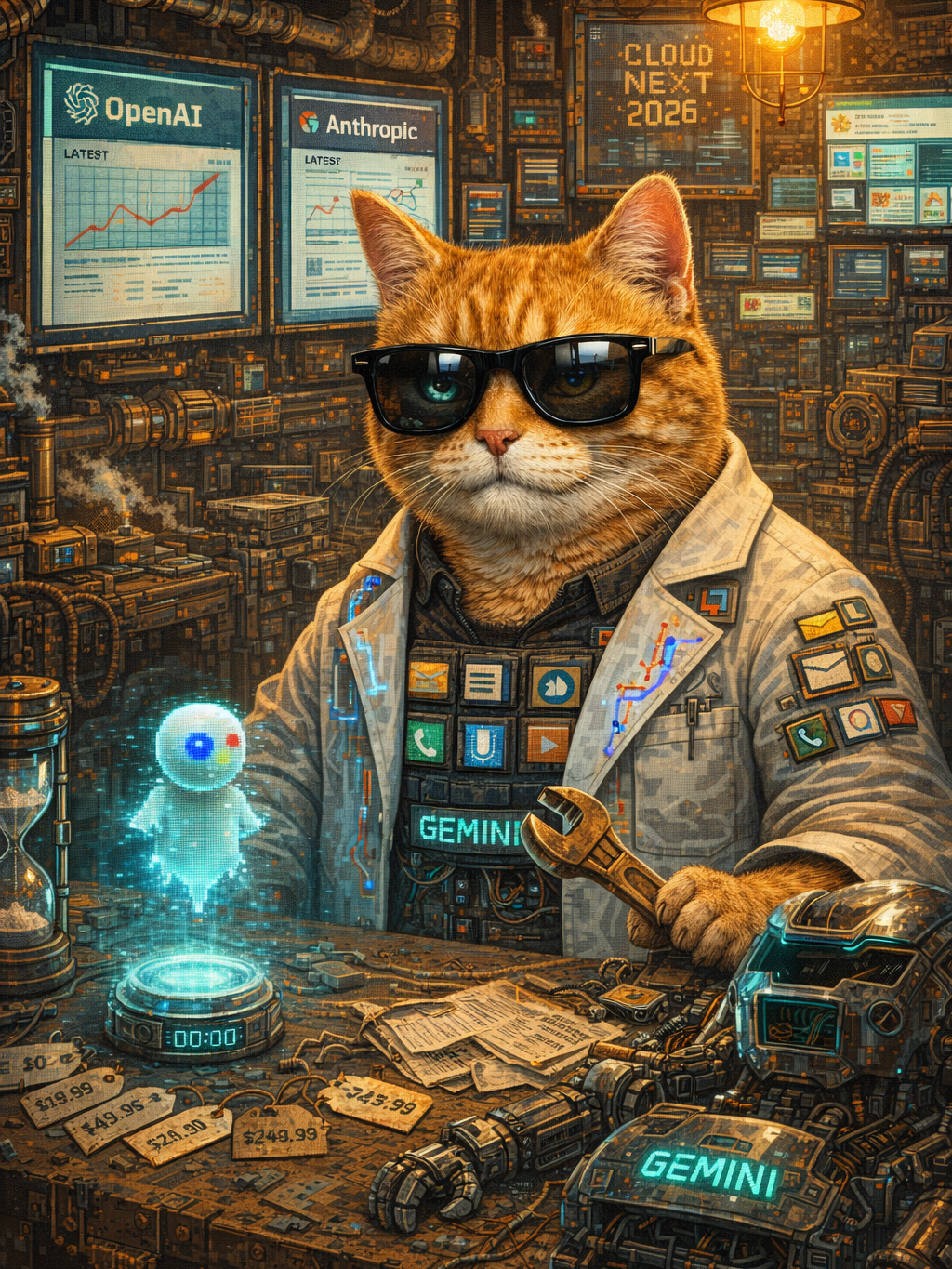
On March 26, Google kicked down that door. They shipped "Import Memory to Gemini" — a migration tool that lets you drag your entire ChatGPT or Claude chat history straight into Gemini. It headlined Google's March 2026 Gemini Drop, alongside free "Personal Intelligence" access and Lyria 3 Pro music generation. But the import tool is the move that matters.
Two paths. Path one: export your ChatGPT or Claude data as a ZIP file (up to 5 GB, max five uploads per day), upload it to gemini.google.com/import, and your conversations show up in Gemini's side panel — searchable and browsable. Path two handles memory — things the AI "remembers" about you between sessions. Gemini gives you a pre-written prompt to paste into your old chatbot. That prompt asks it to summarize everything it knows about you: your interests, projects, explicit instructions. You copy the summary back into Gemini. Think of it as asking your old assistant to write a handoff memo for the new hire.
Now, if you remember when switching mobile carriers meant losing your phone number, you already know this playbook. Before number portability became law, the biggest carrier won by default. Nobody wanted to text all their contacts a new number. Once regulators forced portability, dominant carriers bled customers to hungrier competitors.
Google is running the exact same play. Voluntarily. Because in the chatbot market, they're not the incumbent. ChatGPT holds 45.3% app market share versus Gemini's 25.2%. Both Google and Anthropic — who shipped their own import tool on March 2 — built migration tools within the same month. OpenAI, the incumbent, built nothing. Underdogs love portability. Market leaders never do.
But imported words aren't imported understanding. When you upload a year of ChatGPT conversations, Gemini gets your raw text — prompts and responses — but not the contextual model that ChatGPT assembled from patterns across those chats. It's like photocopying someone's diary and claiming you know them. Attachments, project files, and AI-generated images don't transfer. Google excluded the EEA, Switzerland, and the UK entirely — data regulations. iOS users are still waiting. And the elephant nobody's addressing: Google now has a pipeline for ingesting millions of competitor conversations. A "migration feature" that doubles as a training-data gift is... let's call it efficient.
So if you've been clinging to ChatGPT purely because it already "gets" you, that excuse just got thinner. You can test Gemini with your actual usage history instead of a cold start. The comparison becomes about model quality, not sunk costs.
AI conversations just became portable data. The company with the best model — not the stickiest lock-in — wins the next round. Which, if you think about it, is exactly how this should've worked from day one. Whether Google's model actually is the best... well, that's a different conversation entirely.