
You have a coding agent — an AI that writes code for you. You assign it a task: migrate a database, refactor a module, fix a test suite that's been failing since February. The agent starts working. You close your laptop and go to dinner.
Now you're blind. No way to check progress from your phone. No way to say "actually, stop — do this other thing instead." You come back two hours later to either a finished job or a dumpster fire, and you won't know which until you sit down and read the logs.
Coding agents keep getting better at working alone. Claude Code already handles multi-file refactors, writes tests, commits changes. But the control interface is still a terminal window on your laptop. You either babysit the session from a keyboard, or you hand over the keys and go blind. Neither works when the task runs for hours and your day doesn't stop moving.
What you actually want: an agent that works autonomously, that you can check in with from anywhere, and that you can redirect when plans change mid-task.
On March 20, Anthropic shipped exactly that. Claude Code Channels landed as a research preview — a way to connect your running Claude Code session to Telegram or Discord. You message it from your phone. Claude executes with full access to your filesystem, your git history, and your MCP tools.
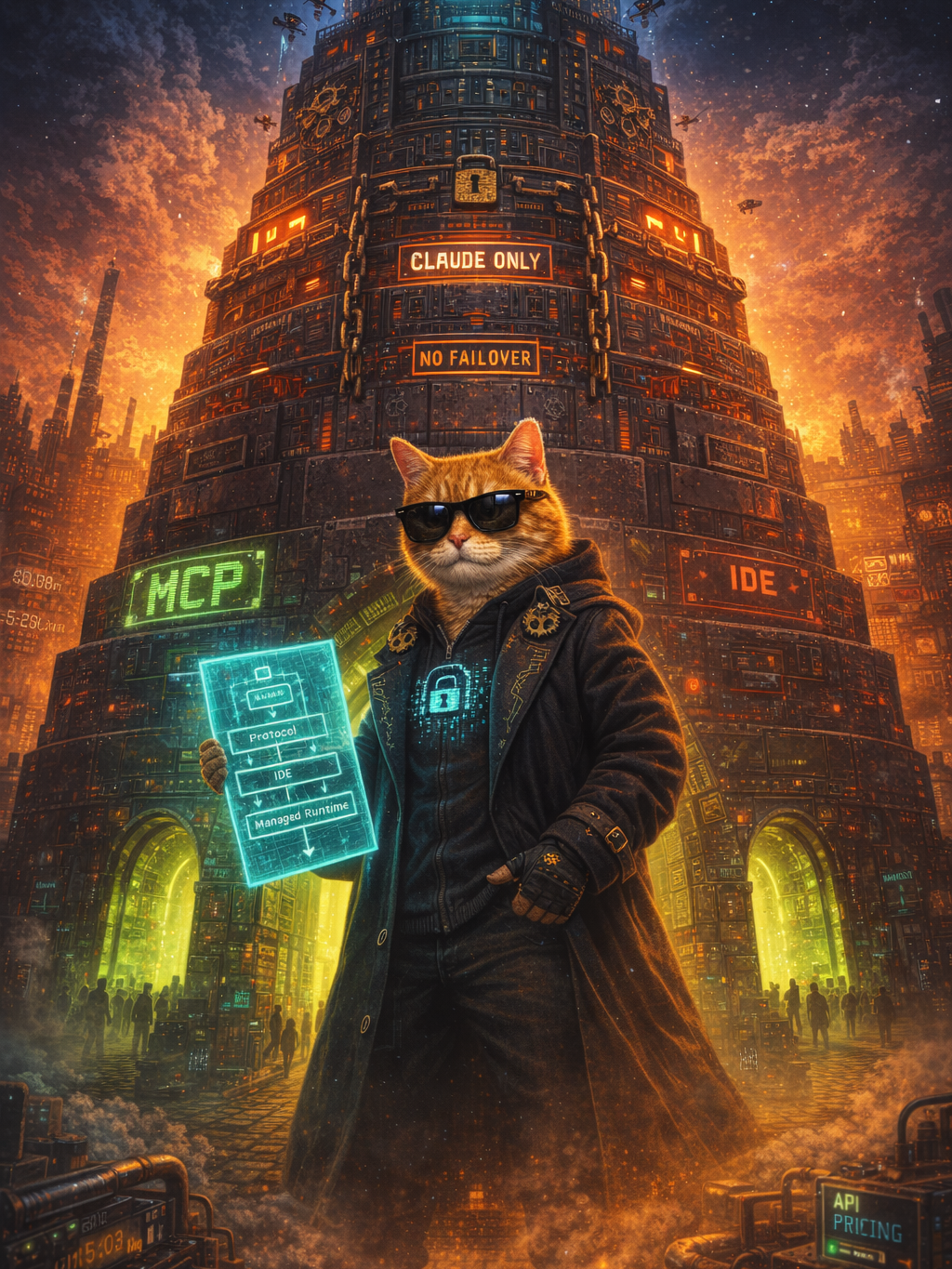
MCP — Model Context Protocol — is the standard Anthropic open-sourced in 2024 and donated to the Linux Foundation earlier this year. Think of it as USB-C for AI: a universal plug that tells Claude what tools it has, what it can read and write, what external systems it can talk to. Channels takes that same plug and routes it through a messaging app instead of a terminal window.
This isn't a read-only status feed. It's not a dashboard with pretty buttons. It's a full two-way interface to your coding agent, living inside the app already on your phone. You redirect mid-task. Ask questions. Get progress updates. Inject new requirements. Cancel and restart. From the airport. From bed.
The session is persistent — Claude keeps working between your messages. You don't have to stay in the loop. You just check in when you feel like it.
Early adopters — developers across time zones, solo founders, engineers who want agents running through meetings — reported predictably enthusiastic results. Multi-file refactors kicked off from airports. Test runs monitored from phones. One developer posted about running a full database migration from a restaurant while the agent executed for three hours on their home machine.
Now the catch. That "research preview" label is doing some heavy lifting.
This is full filesystem access, git commit privileges, and tool invocation — all triggered by a Telegram message from your phone. The security surface is real. Current guardrails include confirmation steps for destructive actions, scope limitations, and a sender allowlist — only user IDs you've explicitly approved can push messages. Your session must stay running too: close the terminal and the channel goes offline. No persistent background mode yet.
And the obvious question nobody's asking loudly enough: what happens when someone compromises your Telegram account? Your Claude Code session inherits those access rights. That attack surface didn't exist before March 20. Security researchers will have a field day once this hits general availability.
The community is already requesting Slack, WhatsApp, and iMessage integrations. Anthropic positioned Telegram and Discord as a proof of concept — first stop on a longer road. iMessage support quietly appeared a week after launch.
So what does this mean for you? If you work on long-running tasks — migrations, large refactors, multi-service changes — the math just changed. You're not choosing between "babysit the agent" and "go blind" anymore. There's a third option: autonomous execution with asynchronous oversight (the agent works, you check in when convenient).
Coding assistants used to live in your terminal. Then they moved into your IDE. Now one of them just moved into your messaging app — where it can work through the night and brief you in the morning. That's not a workflow tweak. That's an architectural shift in how software gets built. Whether the quality of output keeps pace with the autonomy is the only question that matters — and "research preview" means Anthropic doesn't have that answer yet either.