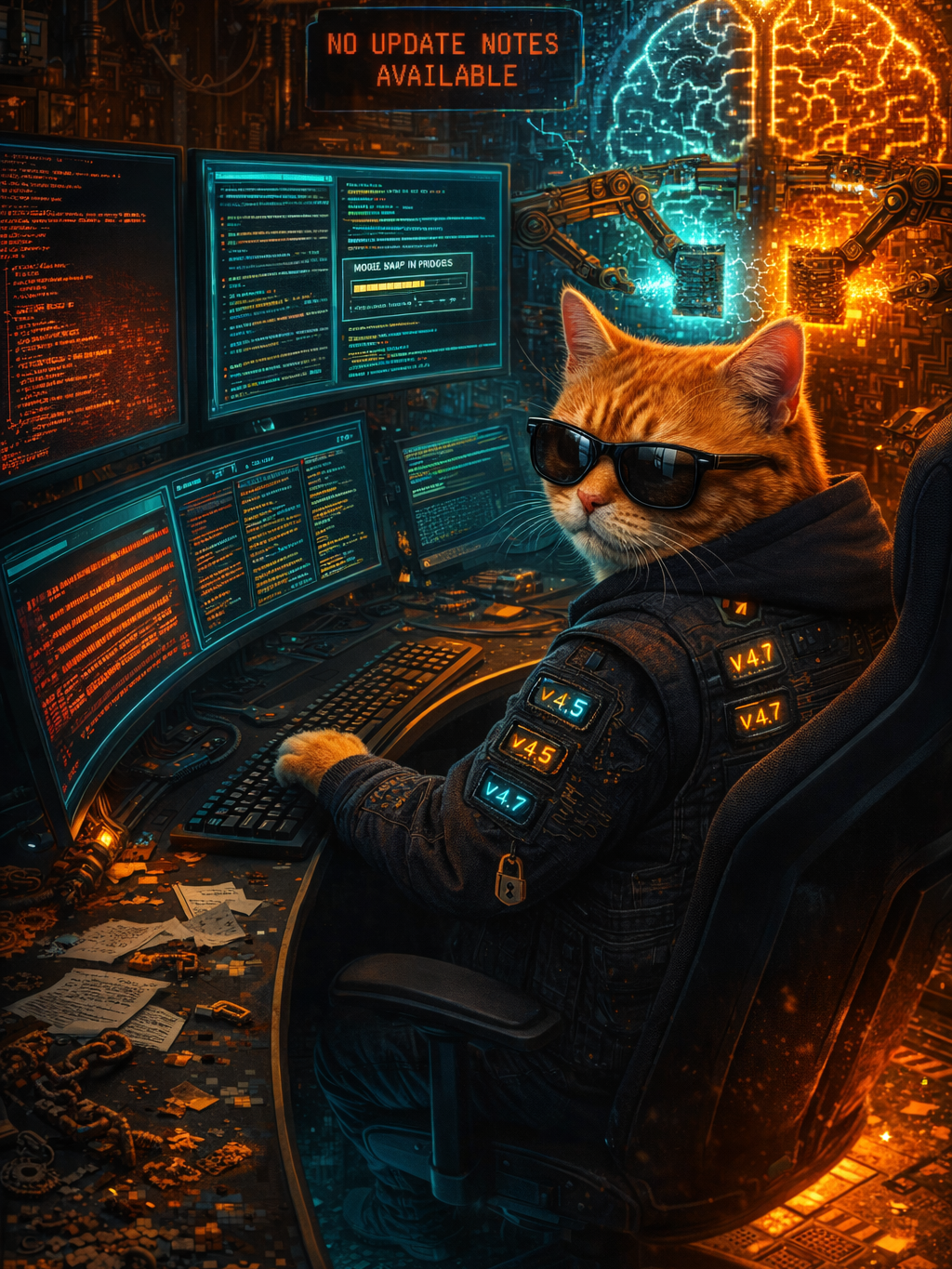

Be honest with yourself: you judge your AI coding tool by the best thing it ever produced, not by the Tuesday afternoon you stared at a spinner for two hours. You're not alone. This cognitive shortcut has a name — the peak-end rule — and one company is exploiting it better than anyone in the industry.
Here's the contradiction nobody wants to talk about. The tool with the highest developer satisfaction score ever recorded also has the worst uptime of any major AI vendor. Both facts, same product, April 2026.
If you follow this channel, you already know the raw numbers. JetBrains AI Pulse gave Claude Code a 91% CSAT and NPS of 54 across 10,000+ developers. You also lived through the April 15 outage — the eighth incident in sixteen days, part of a broader pattern that's produced 128 reliability incidents over the past 90 days according to Claude's own status page. I covered both stories this week. What I didn't cover is why this paradox exists — and what it reveals about every AI tool decision you'll make for the next two years.
The answer is a psychological phenomenon called peak-end bias. People evaluate experiences based on the most intense moment and the final moment, not the average. When Claude Code nails a complex refactor in one shot — that's your peak. When it comes back online after an outage and immediately produces something brilliant — that's your end. The three dead hours in between? Your brain literally discounts them. Daniel Kahneman documented this decades ago. Anthropic is monetizing it in 2026.
They didn't invent the playbook. Apple shipped the original iPhone with a cellular radio that dropped calls across San Francisco. AWS went down so often in 2011 that Netflix built an entire chaos engineering discipline around surviving it. Both companies won their markets anyway, because the peak experience stood so far ahead of competitors that users rewired their own expectations around the failures. Claude Code is running the same play — multiple major launches between April 7 and 16, including Managed Agents, Desktop Routines, and a new security framework. Each launch creates a fresh peak moment. Each one introduces fresh failure modes. The launches and the outages literally alternate on the calendar.
This isn't sloppy engineering. It's a calculated bet that peaks compound faster than troughs.
But peak-end bias hits a hard boundary: other people's money. GitHub Copilot still holds 40% of enterprises above 5,000 employees because procurement departments don't experience peaks — they read SLA dashboards. Claude's status page shows 98.79% uptime over 90 days. Sounds decent until you do the math: roughly 26 hours of downtime per quarter. Compare that to GitHub Copilot, which publishes 99.9% uptime targets and rarely trends on Downdetector. Cursor matches Claude Code's market share tier and offers multi-model fallback — when one AI backend dies, another picks up. An individual developer can romanticize downtime as the price of brilliance. A VP of Engineering with 200 people on sprint deadlines romanticizes nothing.
The market isn't splitting by quality anymore. It's splitting by who's paying.
Enterprises buy SLAs, not vibes. That single fact explains how Anthropic can simultaneously be the most beloved and the most fragile AI tool vendor — winning the population that decides with their gut, losing the one that decides with a spreadsheet. Both populations are growing. The question is which one scales faster.
Here's where the paradox gets its teeth. Every AI tool vendor now faces a binary: ship fast and own the peaks, or ship stable and own the contracts. Nobody has managed both yet. The moment someone does — genuinely superior output with three-nines uptime — the paradox collapses and Anthropic either adapts or becomes the tool you loved right before you switched to whatever killed it.
The market in 2026 punishes mediocrity, not unreliability. Anthropic figured that out first. Keep a fallback in your workflow or enjoy watching your sprint burn while a cat stares at a loading spinner. Whether they figure out uptime before a competitor figures out quality — that's the only question worth asking.