You probably picked Claude's API partly because Anthropic markets itself as the safety-first lab — the responsible adult that left OpenAI over exactly these concerns. Your enterprise vendor checklist has a nice green checkmark next to "safety commitments." That checkmark might be worth less than you think.
Here's the question nobody at your quarterly review is asking: what structural mechanism actually prevents Anthropic from doing an OpenAI the moment the money gets heavy enough? Because on April 14, 2026, Bloomberg reported the money just got very heavy — investor offers exceeding $800 billion. Three days later, on April 17, CEO Dario Amodei sat down with White House Chief of Staff Susie Wiles and Treasury Secretary Scott Bessent. That's the exact lobbying playbook every tech giant follows once it becomes too big to regulate easily.
Let's look at what's actually holding the safety promise together.
The Responsible Scaling Policy: a rulebook you write and grade yourself
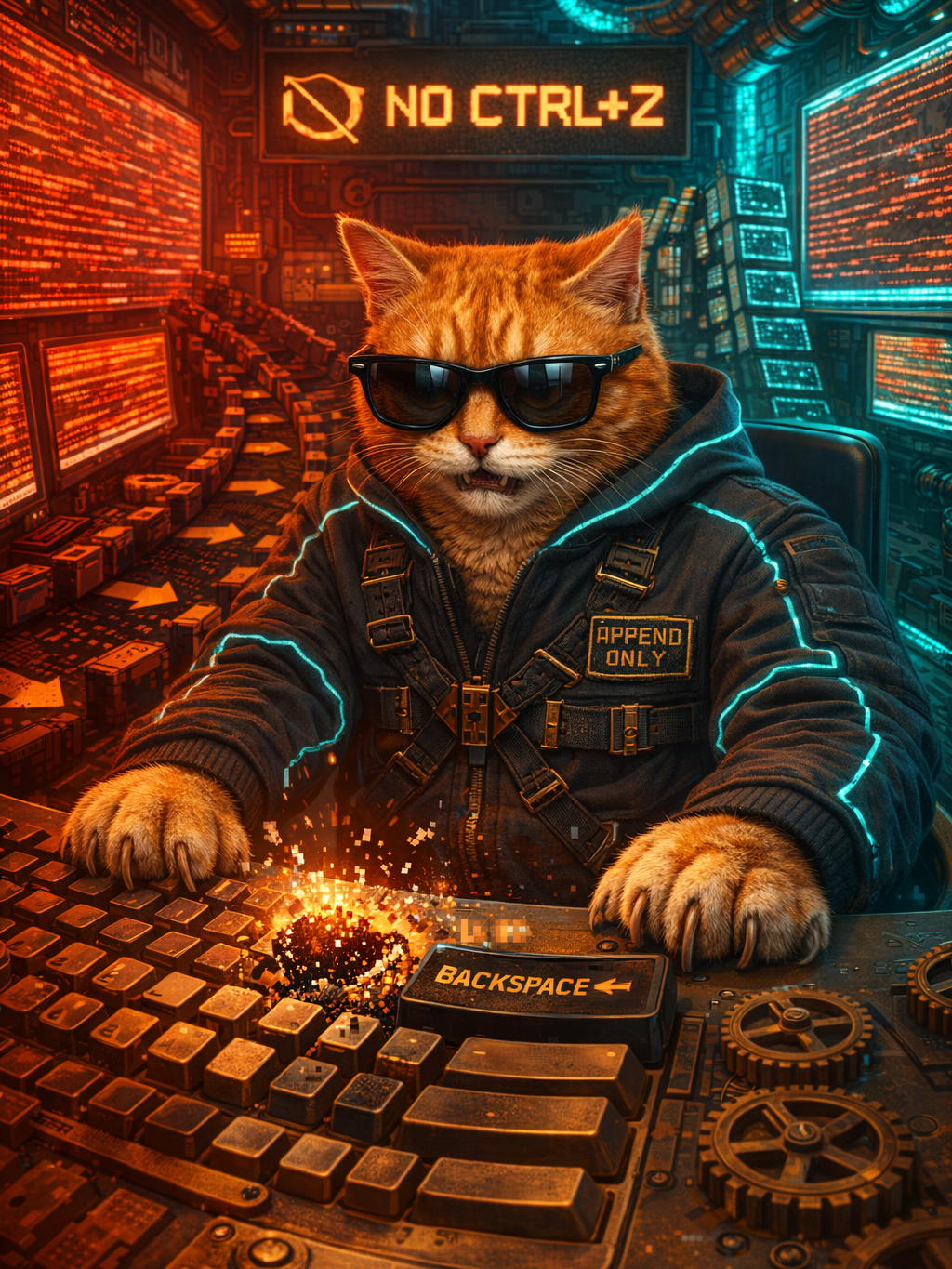
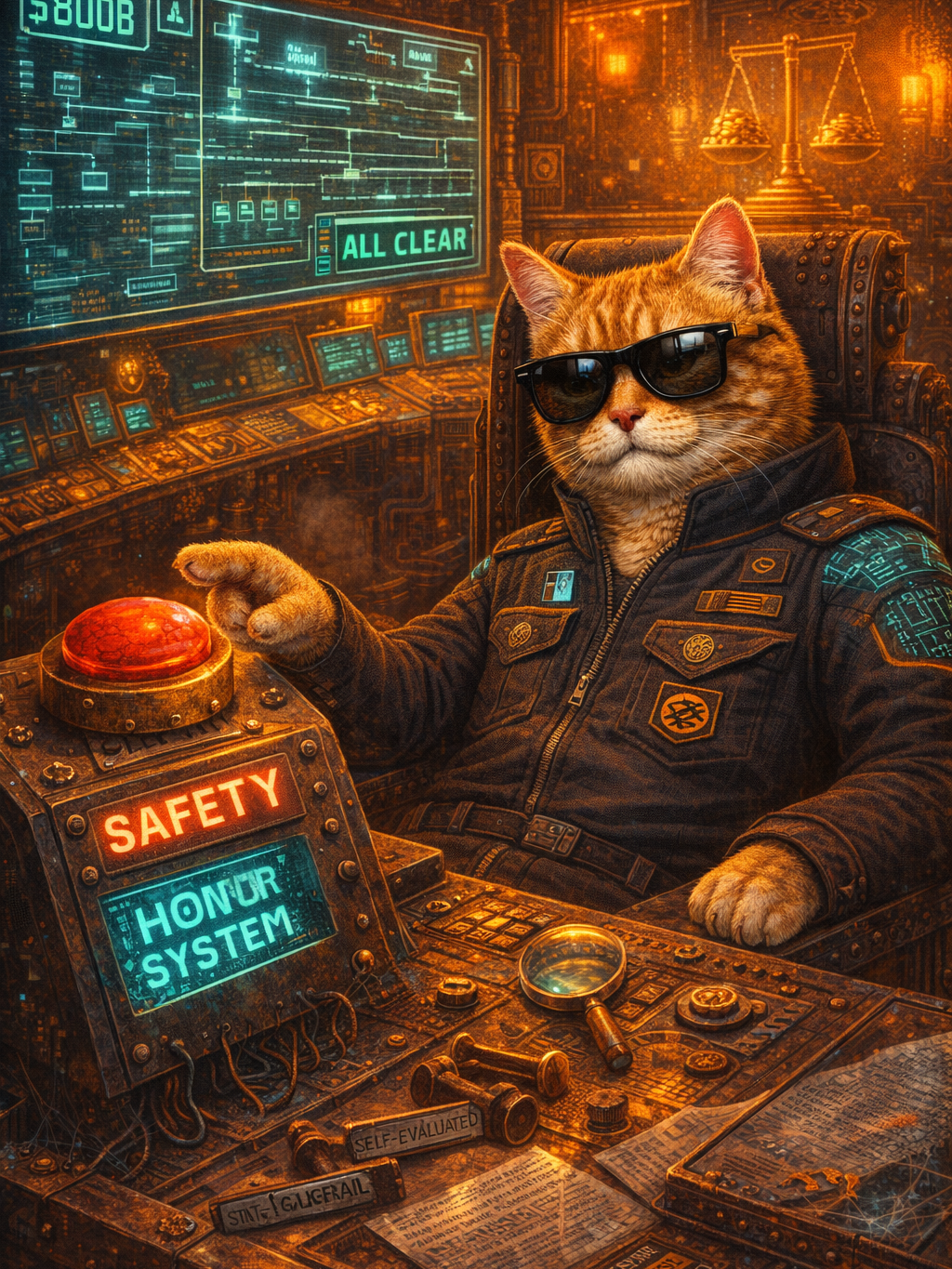
Anthropic's entire safety framework rests on the Responsible Scaling Policy (RSP) — a self-authored rulebook that defines AI Safety Levels, like a rating system the company both writes and grades itself on. Version 3.0, released on February 24, removed the hard stops that previously forced Anthropic to pause development if a model crossed certain danger thresholds. What replaced them? A "strong argument" requirement — self-evaluated.
This deserves a closer look, because it's the structural core of the whole safety story. The old RSP defined ASL levels — escalating lockdown tiers. Cross a danger line, development stops until you prove safety. That forcing function created a mechanical constraint: no matter how much pressure the business side applied, the policy required a halt. Version 3.0 replaced that mechanism with a "safety case" framework — essentially, leadership writes a persuasive document explaining why proceeding is fine.
As independent analyst Zvi Mowshowitz wrote on April 3: "If all you have to do is make a self-convincing safety case, well, you can always do that if it's sufficiently important to you."
The difference matters enormously. A hard stop is a circuit breaker — it trips regardless of who's holding the switch. A "strong argument" requirement is a memo. CEOs, boards, and especially investors staring at an $800 billion number overrule memos. Risk reports now come every 3–6 months, but Anthropic ships models every two. The math doesn't work.
The Trust that can't actually do anything
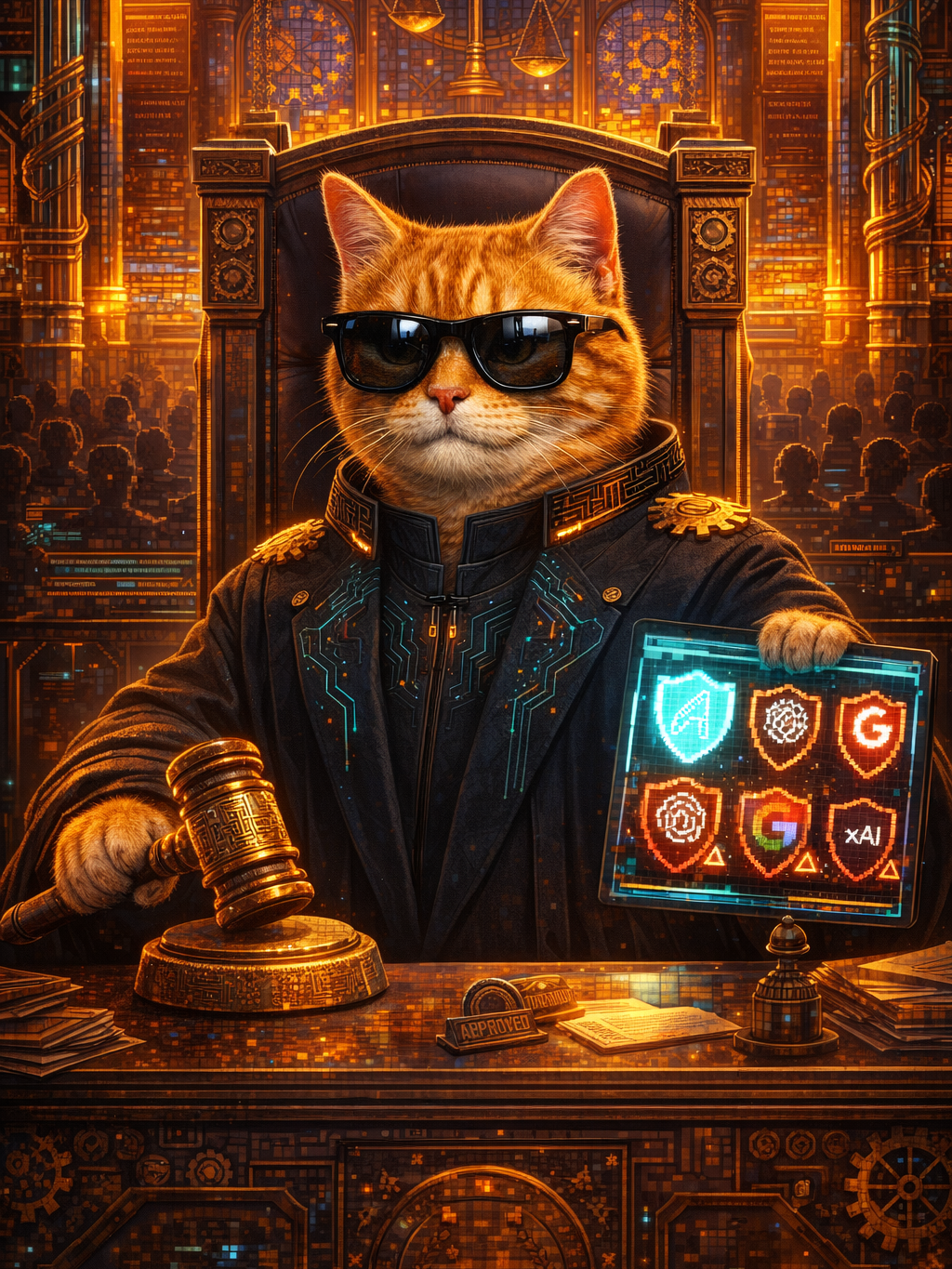
Then there's the Long-Term Benefit Trust (LTBT) — Anthropic's governance body meant to keep the company honest, like a board of ethical advisors with their name on the door. On April 14, Novartis CEO Vas Narasimhan joined the board, giving Trust-appointed directors a 4-of-7 majority. Sounds reassuring.
Except the Trust holds advisory stock that can only elect board members. It cannot block model releases, fire leadership, or override operational decisions. And per EA Forum analysis, stockholders — including Amazon and Google — could potentially overrule the Trust entirely with a supermajority vote. Anthropic hasn't published the Trust Agreement itself, so nobody can verify the exact powers anyway.
Every predecessor broke at a lower price
Now look at the historical pattern:
| Company | Valuation at drift | What died |
|---|---|---|
| Meta | ~$300B (2023) | Responsible AI team |
| ~$400B (2018) | "Don't be evil" | |
| OpenAI | ~$500B (2025) | Nonprofit governance |
| Anthropic | $800B (2026) | Hard safety stops (RSP v3) |
Anthropic crossed all of them. With weaker structural guardrails than OpenAI's original nonprofit board had before it imploded.
The counter-argument is real — and insufficient
To be fair, Anthropic has done things no other lab has. It withheld Mythos — a model that found bugs in every major operating system. It refused Pentagon demands to allow Claude for autonomous lethal attacks. It published 13 system cards — detailed safety reports that most labs skip.
These are not nothing. But every single one was discretionary — a choice made by current leadership because current leadership wanted to. Not a structural obligation that survives a leadership change, an IPO (talks are underway with Goldman Sachs for a potential October 2026 listing), or an investor revolt at $800 billion. Anthropic quietly swapped the mechanism that would have forced a pause for one that requires only self-persuasion.
As the Transparency Coalition put it in February: "Company policies change. Sometimes overnight."
Meanwhile, on April 19, Axios reported the NSA uses Mythos despite the Pentagon blacklist — the government simultaneously calling Anthropic too dangerous to work with and too capable to ignore. Even the feds can't keep a consistent policy on this company. Good luck with your vendor risk spreadsheet.
What this means for you
Your vendor risk assessment probably lists "safety-first" as a feature. It should list "safety enforcement = voluntary, non-binding, self-evaluated" as an unpriced risk, right next to uptime SLAs and data residency.
The most honest thing about Trump's response when asked about the Amodei White House visit on April 18? "Who?" That's roughly how much structural weight Anthropic's safety commitments carry outside Anthropic's own walls.
The safest AI vendor isn't the one with the best stated intentions. It's the one whose safety commitments a third party can audit and enforce. As of April 20, 2026, that company does not yet exist.