जब तुम कोई AI tool चुनते हो — ChatGPT, Claude, Gemini, Grok — तुम pricing compare करते हो, model quality देखते हो, शायद context window size भी। तुम assume करते हो कि पर्दे के पीछे का hardware बस है, जैसे दीवार से आने वाली बिजली। भरपूर, interchangeable, boring।
लेकिन हर frontier AI model जो तुम use करते हो, वो एक ऐसी company के chips पर चलता है जिसके बारे में ज़्यादातर AI users ने कभी सोचा भी नहीं। वो company है TSMC — Taiwan Semiconductor Manufacturing Company — और उसने अभी दुनिया को याद दिलाया कि ये dependency कितनी गहरी है।
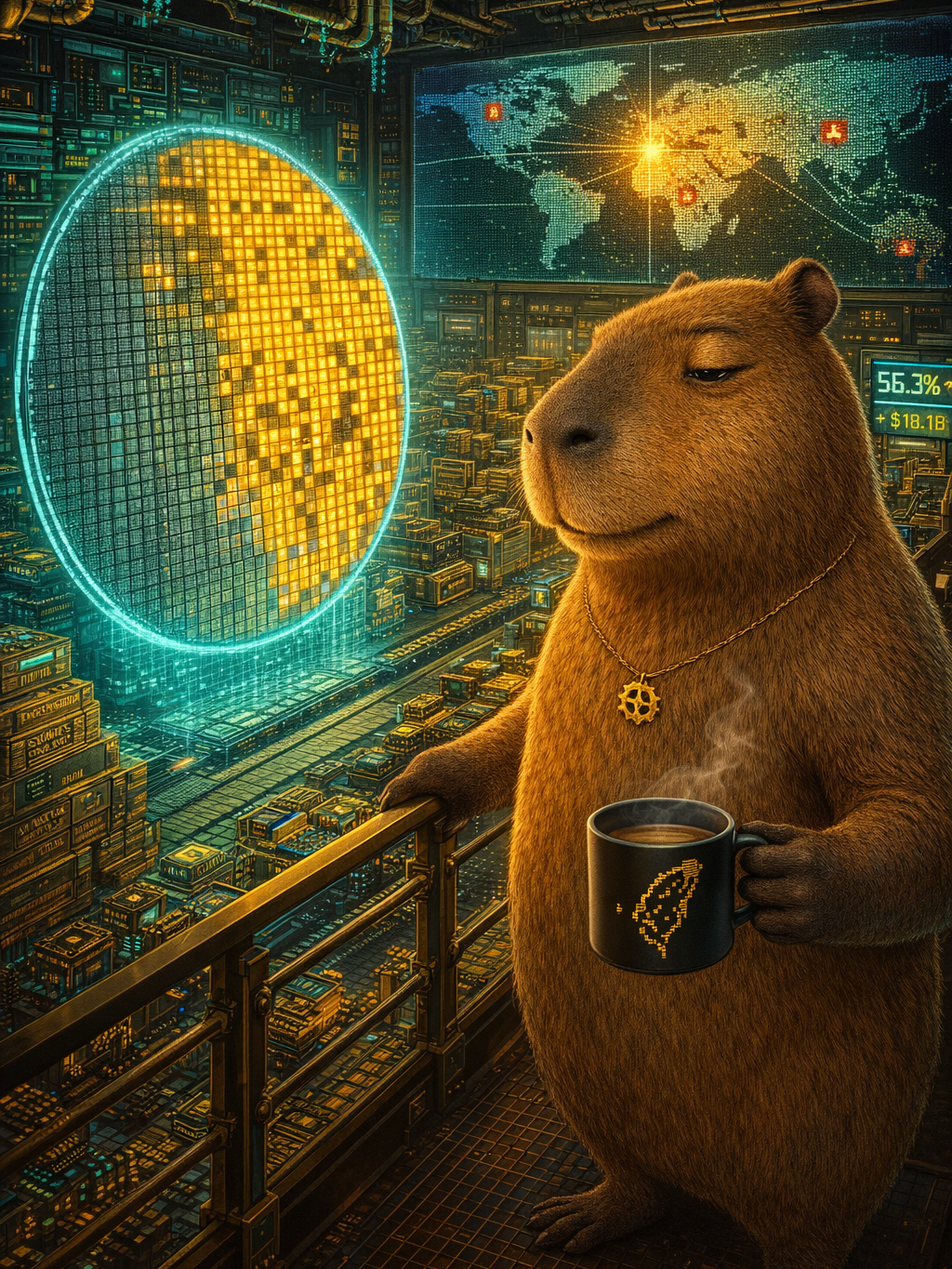
16 अप्रैल 2026 को, TSMC ने Q1 earnings रिपोर्ट की जिसने सारे अनुमान धो दिए। Net income साल-दर-साल 58.3% उछलकर करीब $18.1 billion पहुंची। Gross margin 66.2% रहा, consensus estimate 64.5% से ऊपर। HPC revenue — वो segment जो AI accelerators (वो specialized chips जो AI models को train और run करते हैं) और high-performance computing को cover करता है — अब कुल sales का 61% है। Company का 3nm node (एक manufacturing process जो इतना छोटा है कि transistors — chips के अंदर के tiny on/off switches — करीब तीन अरबवें हिस्से मीटर के होते हैं) अकेले 25% wafer revenue दे रहा है। TSMC ने पूरे साल 2026 की growth guidance 30% से ऊपर रखी और capital spending को अपनी $52-56 billion range के ऊपरी सिरे की तरफ धकेला।
लेकिन जो number AI executives की नींद उड़ानी चाहिए, वो revenue नहीं है। वो है market share। TSMC दुनिया के सबसे advanced AI chips का करीब 90% fabricate करती है — sub-5nm silicon, वो किस्म जो NVIDIA Blackwell GPUs से लेकर Google TPU Trillium, Amazon Trainium2, और AMD MI300X तक सब कुछ power करती है। हर chip Taiwan के Hsinchu और Tainan में cluster हुई fabs — semiconductor factories — से गुज़रता है। CEO C.C. Wei ने 16 अप्रैल की earnings call पर analysts से कहा कि "generative AI और query mode से agentic AI और command and action mode की तरफ shift होने से tokens की consumption में एक और बड़ा उछाल आ रहा है," Sherwood News के अनुसार। सीधी भाषा में: जब AI agents सिर्फ सवालों का जवाब देने की बजाय खुद काम करने लगेंगे, chip demand और भी तेज़ी से बढ़ेगी।
और हालात और भी tight हैं। असली bottleneck chips भी नहीं हैं — वो है CoWoS, TSMC की advanced packaging technology जो multiple chip components को एक साथ जोड़ती है। Chairman Mark Liu ने publicly माना है: "AI chips की shortage नहीं है, हमारी packaging capacity की shortage है।" TSMC ने cutting-edge capacity 2027 और उसके बाद तक बेच दी है। मार्च 2026 में, The Information ने रिपोर्ट किया कि Google ने अपना 2026 TPU production target 40 लाख से घटाकर 30 लाख units कर दिया क्योंकि उसे पर्याप्त CoWoS slots नहीं मिल सके।
तो alternatives कहां हैं? सब पीछे चल रहे हैं। TSMC का Arizona Fab 1 चल रहा है, Apple और NVIDIA के लिए 4nm chips बना रहा है, लेकिन वहां wafer prices Taiwan से 25-30% ज़्यादा हैं — AMD CEO Lisa Su ने AMD की Q4 2025 earnings call (28 जनवरी 2026) में 5-20% chip cost increase confirm किया। उसी 16 अप्रैल की earnings call पर, TSMC ने बताया कि Fab 2 में 3nm/2nm production 2027 की दूसरी छमाही तक शुरू नहीं होगी, जो original 2026 target से पीछे खिसक गई है। Intel Foundry ने अपनी 30 जनवरी 2026 की earnings report में fiscal 2025 के लिए $9.5 billion operating loss बताई और TSMC से एक से दो process generations पीछे है। Samsung की 2nm yields फरवरी 2026 की TechInsights analysis के अनुसार 55-60% पर हैं — profitable mass production के लिए ज़रूरी 70-80% threshold से नीचे। और नवंबर 2025 में, Qualcomm ने Samsung का process quality bar fail होने के बाद पूरी तरह TSMC पर वापसी कर ली।
Taiwan खुद एक और layer जोड़ता है: ये island अपनी 97% energy import करता है। 17 अप्रैल को, Tom's Hardware ने रिपोर्ट किया कि TSMC ने warning दी कि चल रहे Middle East conflict से helium और energy costs बढ़ने पर profitability प्रभावित हो सकती है।
तुम्हारे लिए इसका मतलब क्या है? जब तुम्हारा AI tool slow होता है, जब कोई API provider prices बढ़ाता है, जब कोई नया model देर से launch होता है — root cause software नहीं हो सकता। वो अठारह महीने पहले Hsinchu में ली गई किसी fab capacity decision तक trace back कर सकता है। AI industry के सैकड़ों अरबों डॉलर के infrastructure investment सब एक physical chokepoint से गुज़रते हैं जिसे कोई भी clever code bypass नहीं कर सकता।
AI का सबसे गहरा moat intelligence नहीं है। वो है lithography — silicon पर circuits etch करने की process — और एक company के पास चाबी है।