तुम ChatGPT खोलते हो एक सवाल पूछने के लिए। फिर Codex पर switch करते हो — OpenAI का code-writing tool — एक function fix करने। फिर Atlas launch करते हो, उनका AI-powered web browser, कुछ search करने के लिए। तीन apps, तीन contexts, तीन अलग mental models। इनमें से कोई भी state share नहीं करता — मतलब तुम्हारी conversation history, preferences और workflow एक window से दूसरी में carry over नहीं होता। तुम copy-paste करते हो जैसे 2019 चल रहा हो।
हर switch में तुम्हारा context खर्च होता है। और OpenAI का कुछ और भी महंगा खर्च होता है: coherence.
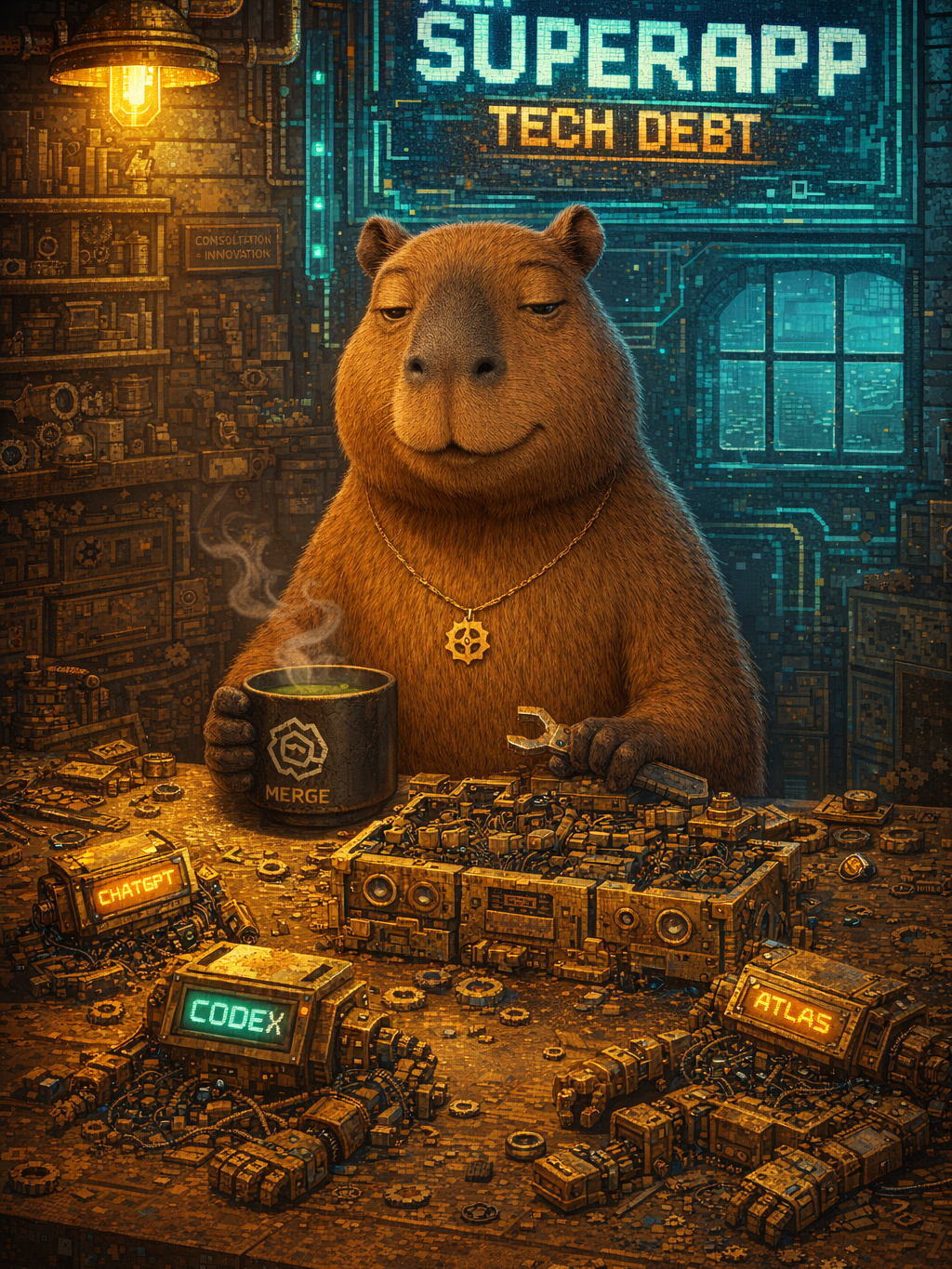
16 मार्च 2026 को OpenAI की CEO of Applications Fidji Simo ने staff को बताया कि product strategy दीवार से टकरा गई है। 9to5Mac के मुताबिक, Simo ने announce किया कि ChatGPT, Codex और Atlas एक single desktop superapp में merge होंगे — एक app जो chat, coding और browsing तीनों handle करे। Internal memo में एक phrase था जो हर ops वाला तुरंत पहचान लेता है: "That fragmentation has been slowing us down and making it harder to hit the quality bar we want." उन्होंने staff को "side quests" बंद करने को कहा। और Anthropic — Claude बनाने वाली company — को "wake-up call" बताया।
Plan के दो phases हैं। पहले, OpenAI Codex desktop app को agentic features से expand करेगा — यानी app तुम्हारी तरफ से actions ले सकेगा, सिर्फ सवालों का जवाब नहीं देगा — pure coding से आगे। दूसरे phase में ChatGPT और Atlas browser इस consolidated shell में fold हो जाएंगे। Mobile जैसा है वैसा ही रहेगा। Launch date? कोई नहीं है। Greg Brockman technical overhaul co-lead कर रहे हैं। Unite.AI की report के अनुसार, Simo ने commercial goal सीधे-सीधे बोला: उन 900 million users को high-compute paying customers में convert करो। Competition का pressure real है — The Register बताता है कि Ramp (एक corporate spending platform) पर Anthropic का business adoption हर महीने 4.9% बढ़ रहा है जबकि OpenAI का 1.5% प्रति माह गिर रहा है। Enterprise head-to-head wins अब लगभग 70/30 Anthropic के favor में split हो रहे हैं। Atlas traction नहीं बना पाया। Sora — उनका video generation tool — peak करके fade हो गया।
ये superapp असल में तुम्हें क्या बता रहा है। $10B+ funding वाली company बिल्कुल उसी दीवार से टकराई जिससे हर scaling startup टकराता है। Products ship करना आसान है। उन्हें run करना मुश्किल है। OpenAI ने Atlas October 2025 में launch किया (सिर्फ macOS), Codex desktop February 2026 में (सिर्फ macOS), और किसी भी product को mature होने का वक्त नहीं मिला — तब तक org को realize हो गया कि उसने तीन अलग codebases बना दिए — तीन independent sets of code — जो एक-दूसरे से बात नहीं कर सकते। Greyhound Research के analyst Sanchit Vir Gogia ने InfoWorld को बताया: "यह कोई clean enterprise pivot नहीं है — यह internal fragmentation, competitive pressure और monetization की जरूरत से driven forced convergence है।"
Costs silent हैं लेकिन real हैं। Desktop-only मतलब mobile users को कुछ नया नहीं मिलता। Atlas के लिए Windows support अभी भी "coming soon" पर अटका है — एक gap जो enterprise procurement teams को तुरंत दिखता है। तीन codebases merge करना उस तरह का engineering pain है जो कभी press releases में नहीं दिखता। Mid-deployment enterprise customers अब migration uncertainty face कर रहे हैं बिना किसी timeline के। और "simplify" हमेशा "हमने बहुत जल्दी बहुत ज़्यादा बना दिया" कहने का polite तरीका होता है।
अगर OpenAI — unlimited resources, 900 million users, और planet का सबसे recognized AI brand — product chaos को सिर्फ पैसे फेंककर नहीं beat कर सका, तो तुम्हारी team जिसमें बारह लोग हैं और एक Jira board — वो तो बिल्कुल नहीं कर सकती। कम चीजें ship करो। जल्दी integrate करो। Ops को first-class concern मानो, कोई ऐसी चीज़ नहीं जिसके लिए तीसरे product launch के बाद hiring करो।
AI arms race ने वो confirm कर दिया जो ops वाले हमेशा से जानते थे: ज़्यादा products बनाना, कम products अच्छे से बनाने को कभी beat नहीं करता। ये superapp innovation नहीं है। ये cleanup bill है — और cleanup हमेशा पहली बार सही करने से ज़्यादा महंगा पड़ता है।