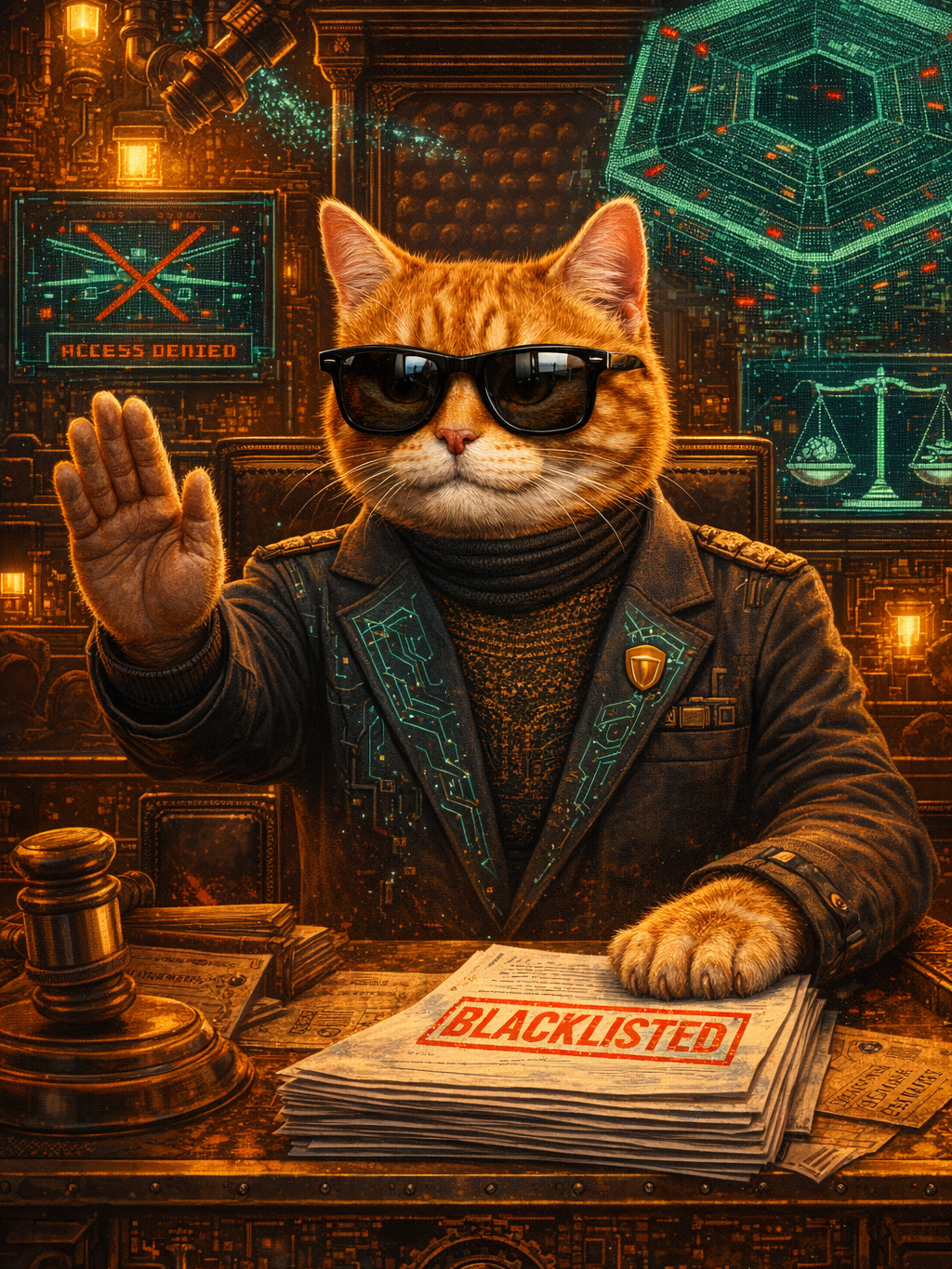
तुम Claude से code लिखवाते हो, रात 2 बजे अपना Kubernetes cluster debug करते हो, और जब दिमाग काम नहीं करता तो emails भी draft करवा लेते हो। काम चलता है। इसके पीछे कौन सी company है, इस बारे में ज़्यादा सोचते नहीं। शायद सोचना चाहिए — क्योंकि US government ने उस company को सिर्फ दो चीज़ों पर "ना" बोलने की सज़ा देने की कोशिश की।
सवाल ये नहीं कि AI पर guardrails होने चाहिए या नहीं। सवाल ये है कि जब दुनिया की सबसे ताकतवर military तुम्हारे guardrails को threat मानने लगे तो क्या होता है।
27 फरवरी, 2026 को Defense Secretary Pete Hegseth ने X पर post किया कि Anthropic — Claude बनाने वाली company — अब "national security के लिए supply chain risk" है। Supply chain risk designation एक legal label है 10 U.S.C. § 3252 के तहत — एक statute जिसे Pentagon उन entities को military contracts से ban करने के लिए use करता है जिन पर sabotage या subversion का शक हो। इसे government की blacklist समझो उन companies के लिए जिन्हें वो खतरनाक मानती है। Anthropic से पहले Pentagon ने ये label सिर्फ foreign adversaries पर लगाया था। Chinese chipmakers पर। San Francisco की AI startups पर नहीं।
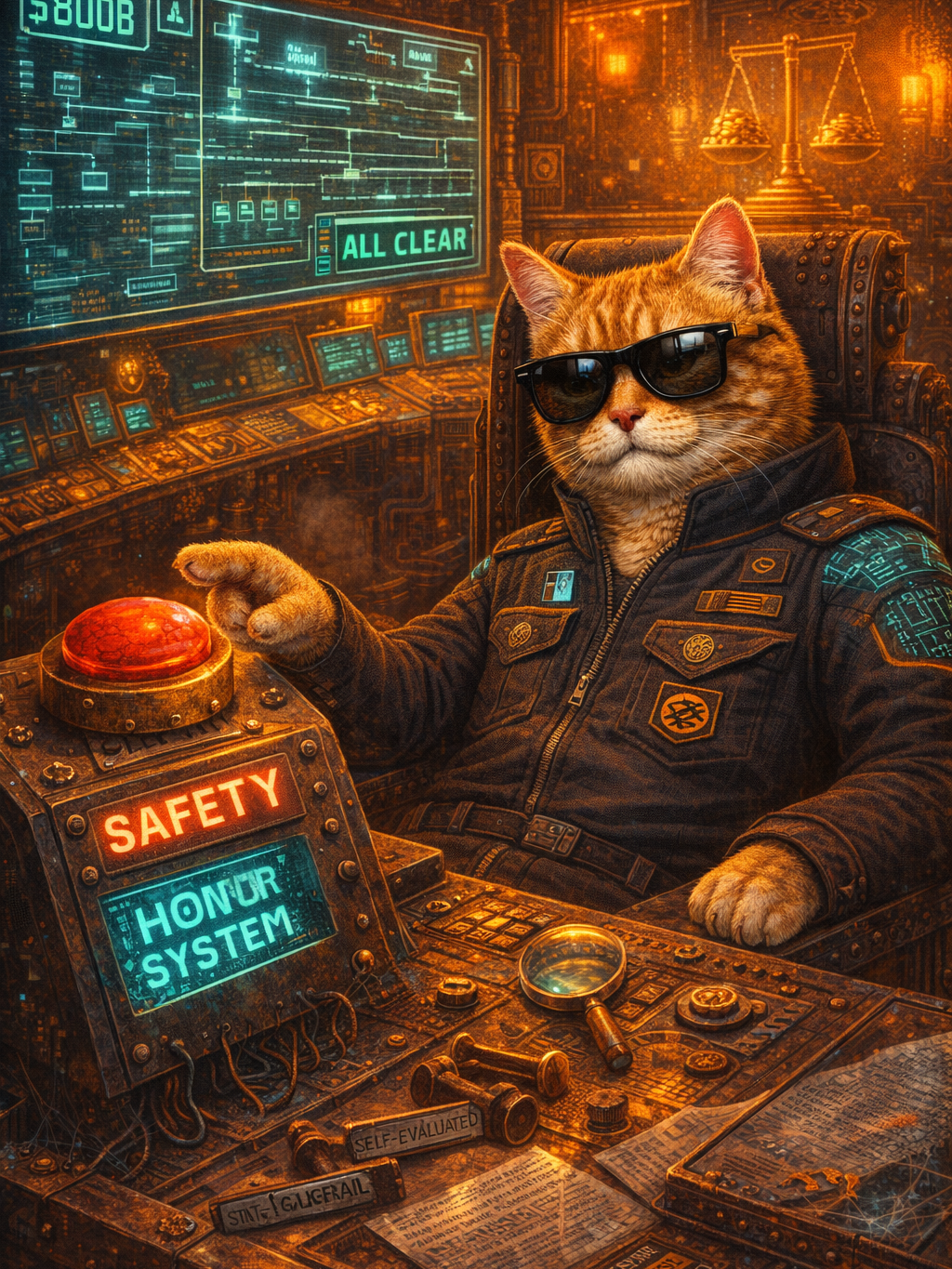
Trigger: Anthropic के CEO Dario Amodei ने Claude की terms of service से दो restrictions हटाने से मना कर दिया। पहला — fully autonomous weapons systems नहीं, यानी AI जो बिना किसी human के खुद kill करने का फैसला ले। दूसरा — mass domestic surveillance programs नहीं। Contract में बस दो लाइनें। Pentagon ने इन्हें ऐसे treat किया जैसे military firmware में backdoor हो।
Escalation तुरंत हुआ। Hegseth ने declare किया कि कोई भी military contractor Anthropic के साथ "कोई भी commercial activity" नहीं कर सकता। एक internal memo ने commanders को classified systems से Claude हटाने का order दिया। कुछ ही घंटों बाद, OpenAI ने Department of Defense के साथ deal कर ली अपने models classified networks पर deploy करने के लिए। Sam Altman ने बड़ी मददगारी से explain किया कि "government को companies से ज़्यादा powerful होना चाहिए।" Convenient timing, convenient philosophy।
और अब सबसे absurd part। 4 मार्च को — Pentagon द्वारा formally designation finalize करने के ठीक एक दिन बाद — एक senior Pentagon official ने Amodei को email किया कि दोनों sides disputed issues पर "बहुत करीब" हैं। Government एक तरफ Anthropic को बता रही है कि वो almost aligned हैं और दूसरी तरफ उन्हें national security threat का tag लगा रही है। कोई एक lane तो चुनो भाई।
9 मार्च को Anthropic ने case किया, First Amendment retaliation का allegation लगाते हुए — मतलब government ने उन्हें weapons policy पर publicly अपनी position express करने के लिए punish किया — साथ ही due process violations और administrative power के abuse का भी।
Case U.S. District Judge Rita Lin के सामने आया San Francisco में। 24 मार्च की hearing में, उन्होंने Pentagon की actions को "troubling" बताया और कहा कि ये "stated national security concern के लिए tailored नहीं लगतीं।" जब government ने argue किया कि Anthropic का negotiating stance उन्हें untrustworthy बनाता है, तो Judge Lin ने जवाब दिया: "ये तो काफी low bar है।"
दो दिन बाद, 26 मार्च को, Judge Lin ने preliminary injunction जारी किया — एक court order जो temporarily government को ban enforce करने से रोकता है जब तक case चलता रहे। उनकी 43-page ruling बेरहम थी। उन्होंने supply chain risk designation को "Orwellian" बताया जब इसे एक American company पर government से असहमति जताने के लिए लगाया जाए। Key sentence: "Anthropic को government की contracting position पर public scrutiny लाने के लिए punish करना classic illegal First Amendment retaliation है।"
ये ruling एक जीत है, लेकिन temporary। Preliminary injunction final verdict नहीं होता — ये court का कहना है कि "ये शायद law violate करता है, तो जब तक हम figure out करें, रुको।" Case चलता रहेगा। Government appeal कर सकती है। Political dynamics नहीं बदले हैं।
और वो detail जिसे सब gloss over कर देते हैं: Anthropic ने military के साथ काम करने से मना नहीं किया था। उन्होंने किसी भी transition period के दौरान Claude nominal cost पर offer किया। उन्होंने कहा "हर चीज़ के लिए हाँ, सिवाय autonomous kill chains और American citizens की mass surveillance के।" Government की खुद की position है कि ये दोनों चीज़ें existing law के तहत पहले से illegal हैं। तो Anthropic ने existing law को contract में लिख दिया — और इसके लिए blacklist हो गए। Pentagon की असली objection safety restrictions के बारे में नहीं है। ये इस बारे में है कि rules कौन set करता है। एक private company का military AI use पर red lines draw करना उस assumption को challenge करता है कि technology को warfare में कैसे deploy किया जाए ये सिर्फ government तय करती है।
अगर तुम AI के साथ build करते हो — agents ship करते हो, models deploy करते हो, LLMs (large language models — वो AI architecture जिस पर ChatGPT, Claude, और Gemini based हैं) को production में integrate करते हो — तो ये case line draw करता है। क्या एक AI company अपनी safety policies maintain कर सकती है बिना अपने सबसे powerful customer से economically crush हुए?
26 मार्च, 2026 तक, एक federal judge कहती हैं हाँ। वो दौर जब "responsible AI" safely blog posts और press releases में जीता था, खत्म हो गया। अब ये एक legal position है जिसे तुम federal court में defend करते हो, Department of Defense के खिलाफ, अपनी company की survival दांव पर लगाकर। हर AI company ने अभी सीखा कि principles की असली कीमत क्या होती है जब वो power से टकराते हैं।