तुम Claude की API यूज़ करते हो — तुम्हारी app और Anthropic की AI के बीच एक वेटर, बस। Prompt भेजो, response पाओ, token पर पैसे दो (token = एक word-chunk जो AI पढ़ता है, लगभग ¾ अंग्रेज़ी शब्द)। Standard deal। पसंद नहीं आया? दोपहर में GPT पर switch कर लो।
लेकिन AI agents — ऐसे programs जो AI का इस्तेमाल करके multi-step tasks खुद complete करते हैं — को production में चलाना, उसके लिए infrastructure चाहिए जो कोई बनाना नहीं चाहता। Sandboxing, state management, error recovery, scaling। "Demo में चल रहा है" और "मंगलवार रात 3 बजे जब सब टूट जाता है तब भी चलता है" — इस gap ने ज़्यादातर agent projects को ship होने से पहले ही मार दिया है।
8 अप्रैल को, Anthropic ने Managed Agents लॉन्च किया — एक cloud service जो तुम्हारे AI agents को Anthropic के servers पर host, run और manage करती है। कीमत: $0.08 प्रति session-hour (समझो अपने agent के लिए एक छोटा-सा server किराए पर ले रहे हो) plus standard token costs। Notion, Rakuten, Asana और Sentry early adopters बने।
उन आठ cents में क्या मिलता है? हर agent एक isolated container में चलता है — एक sealed box जो बाहर कुछ छू नहीं सकता — automatic checkpoints के साथ (save points ताकि crash के बाद agent फिर से शुरू हो सके), scoped permissions (सिर्फ़ वही access जो तुम allow करो), और ऐसे sessions का support जो घंटों चलें। SiliconANGLE के मुताबिक, Rakuten ने पाँच departments — product, sales, marketing, finance, HR — में agents deploy किए, हर agent को एक हफ़्ते में। Sentry ने अपने debugging tool को एक Claude agent के साथ जोड़ा जो अब patches लिखता है और pull requests (review के लिए submit किए गए code changes) खोलता है। Notion ने ऐसे agents integrate किए जिनसे engineers code ship करते हैं और knowledge workers सीधे अपने workspaces में presentations बनाते हैं।
Timing असली कहानी बताती है। एक दिन पहले, 7 अप्रैल को, Anthropic ने $30 billion annualized revenue छुआ — मौजूदा monthly earnings से project की गई annual revenue — 2025 के अंत में $9B थी। चार महीनों में 3.3x jump, पहली बार OpenAI के ~$25B को पार करते हुए। सालाना $1 million से ज़्यादा खर्च करने वाले enterprise customers फ़रवरी से दोगुने होकर 1,000 से ज़्यादा हो गए। Fortune 10 में से आठ Anthropic के clients हैं। Claude Code — Anthropic का coding tool — अकेला मार्केट में नौ महीने बाद $2.5 billion annualized revenue खींच रहा है। MCP (Model Context Protocol — AI tools के लिए एक universal plug standard, जैसे USB लेकिन data के लिए) मार्च 2026 तक 97 million installs पहुँच गया।
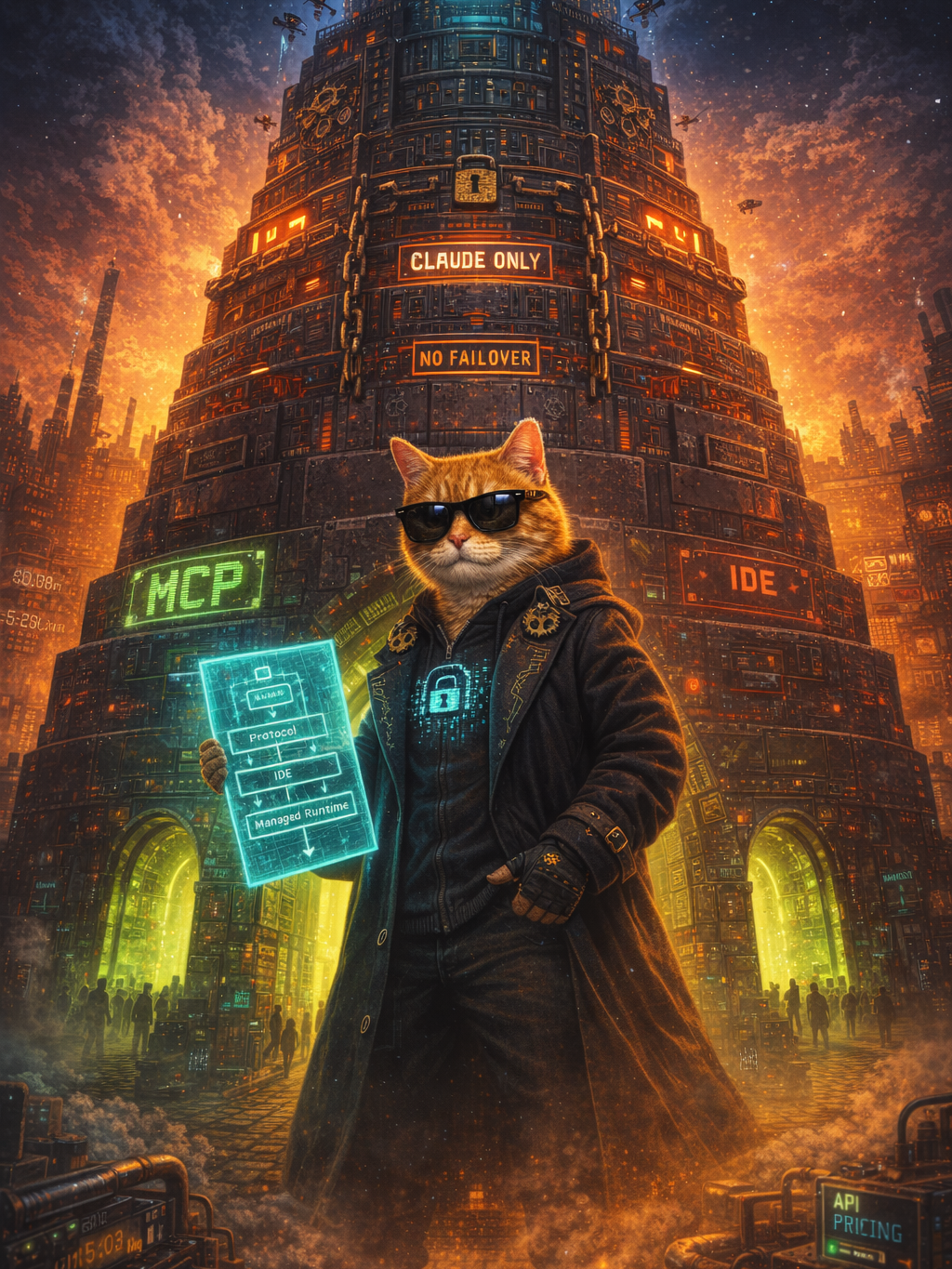
Pattern दिख रहा है? API तुम्हें model देती है। Claude Code developer tools देता है। MCP standardize करता है कि tools कैसे connect होते हैं। Managed Agents पूरे workload को host करता है। हर layer अगली को एक natural upgrade जैसा feel कराती है, कोई नया vendor decision नहीं। ये AWS 2008 वाला खेल है — compute से शुरू करो, फिर निकलना धीरे-धीरे मुश्किल बनाओ। Anthropic की revenue चार महीनों में तीन गुना इसलिए नहीं हुई कि model तीन गुना smart हो गया। तीन गुना इसलिए हुई क्योंकि हर infrastructure layer नीचे वाली को compound करती है।
Tradeoffs real हैं, और नए वाले पुरानों से ज़्यादा खतरनाक हैं। Managed Agents dual-layered billing लाता है — time plus tokens — और किसी को पता नहीं कि एक complex agent workflow की असली cost क्या होगी जब तक invoice नहीं आ जाता। एक coding agent जो चार घंटे चलता है, तीन dead ends में फँसता है, backtrack करता है, और finally एक fix ship करता है? तुम उसकी हर मिनट की भटकन plus हर token की reasoning के लिए pay कर रहे हो। Plain API call में cost output के साथ scale होती है। Session-hours में cost इस बात से scale होती है कि तुम्हारा agent कितनी देर सोचता है — तब भी जब वो गलत सोचता है। Agent workloads के लिए budget forecasting अब एक guessing game बन गया है जिसने pricing model का mask पहन लिया है।
लेकिन billing सबसे तेज़ काँटा भी नहीं है। जब तुम्हारा agent Managed Agents पर चलता है, उसकी state — checkpoints, execution history, runtime memory — Anthropic के servers पर रहती है। तुम्हारा code नहीं। तुम्हारे prompts नहीं। वो actual operational context जो तुम्हारा agent काम करते हुए इकट्ठा करता है। एक Sentry agent जिसने तीन महीने तुम्हारे codebase की quirks सीखी हैं, implicit context बनाया है कि कौन-सी files साथ टूटती हैं, कौन-से PR patterns regressions cause करते हैं? वो runtime knowledge Anthropic के containers के अंदर है। तुम अपना code कभी भी export कर सकते हो। तुम वो export नहीं कर सकते जो तुम्हारा agent बन चुका है। ये पुराना API switch करने वाला lock-in नहीं है। ये institutional memory के level पर vendor dependency है।
और session-hour model एक ऐसा incentive create करता है जिसका ज़िक्र Anthropic launch blog में कभी नहीं करेगा। तुम्हारा agent जितनी मिनट चलता है, उतनी revenue। Efficient agents जो problems जल्दी solve करते हैं — Anthropic को कम कमाते हैं बनिस्बत उन agents के जो deliberate करते हैं, retry करते हैं, explore करते हैं। Platform compute time से profit कमाता है, outcomes से नहीं। तुम्हारा incentive — fast, cheap results — pricing structure के directly उल्टा चलता है। ये tension $0.08 प्रति hour पर matter नहीं करेगा। ये बहुत matter करेगा जब Managed Agents हज़ारों concurrent sessions handle करेगा और वो rate "market conditions" के हिसाब से adjust होगा।
Anthropic अब AI infrastructure की चार layers बेचता है। Model — वो चीज़ जिसे तुम सोचते थे कि तुम खरीद रहे हो — बस layer one है। उसके ऊपर tools, protocol, hosting stack: margin वहाँ रहता है। और Managed Agents के साथ, पहली बार, तुम्हारा operational data — सिर्फ़ API calls नहीं, बल्कि तुम्हारे agents का learned behavior और runtime state — उनके servers पर बैठता है। तुम अब compute किराए पर नहीं ले रहे। तुम institutional knowledge किसी और की तिजोरी में जमा कर रहे हो और उम्मीद कर रहे हो कि निकासी की शर्तें अनुकूल रहेंगी।