तुम्हारे पास एक AI agent है। वो search करता है, लिखता है, reason करता है। तुम कुछ agents को Python glue code से जोड़ते हो, demo के वक्त भगवान का नाम लेते हो, और इसे "multi-agent architecture" बोलते हो। ज़्यादातर काम कर जाता है। सब सिर हिलाते हैं।
पिछले हफ्ते तक ज़्यादातर production multi-agent systems — यानी वो setups जहाँ कई AI programs मिलकर एक task पर काम करते हैं — असल में ऐसे ही चलते थे। Custom integrations, hardcoded schemas, और जुगाड़।
Agents एक-दूसरे से बात ही नहीं कर पाते थे
तुम्हारा Claude-based orchestrator किसी GPT-based specialist से मिलता है — कुछ नहीं होता। तुम्हारा LangChain graph को पता ही नहीं कि Vertex AI agent क्या चीज़ है। हर multi-agent stack एक अलग ऊँचाई की दीवार वाला बंद किला था। Interoperability पहले दिन से missing layer रही है।
दो protocols ने इस problem को crack किया
अप्रैल 2025 में Google ने A2A ship किया — Agent-to-Agent protocol, एक standardized तरीका जिससे AI agents एक-दूसरे को discover कर सकें और tasks delegate कर सकें। Anthropic पहले ही MCP — Model Context Protocol — को formalize कर चुका था tool connections के लिए। जून 2025 में Google ने A2A को Linux Foundation को donate कर दिया। Microsoft ने सितंबर 2025 में Azure AI Foundry और Copilot Studio के लिए A2A adopt किया। Salesforce, SAP, ServiceNow, Box — सब line में लग गए — ecosystem 150+ organizations तक पहुँच गया।
फिर मार्च 2026 आया। 25 मार्च को MCP ने 97 million installs cross किए — AI infrastructure standard के लिए history का सबसे तेज़ adoption curve। अगले दिन Sam Altman ने OpenAI की पूरी product line में full MCP support announce किया। और मार्च के बीच में A2A community ने v1.0 ship किया — पहली stable, production-ready release, जिसमें cryptographic identity verification के लिए signed Agent Cards भी थे।
Cross-vendor agent mesh का infrastructure तब तैयार हो गया जब पूरी industry benchmark numbers पर बहस कर रही थी।
Plumbing कैसे काम करती है
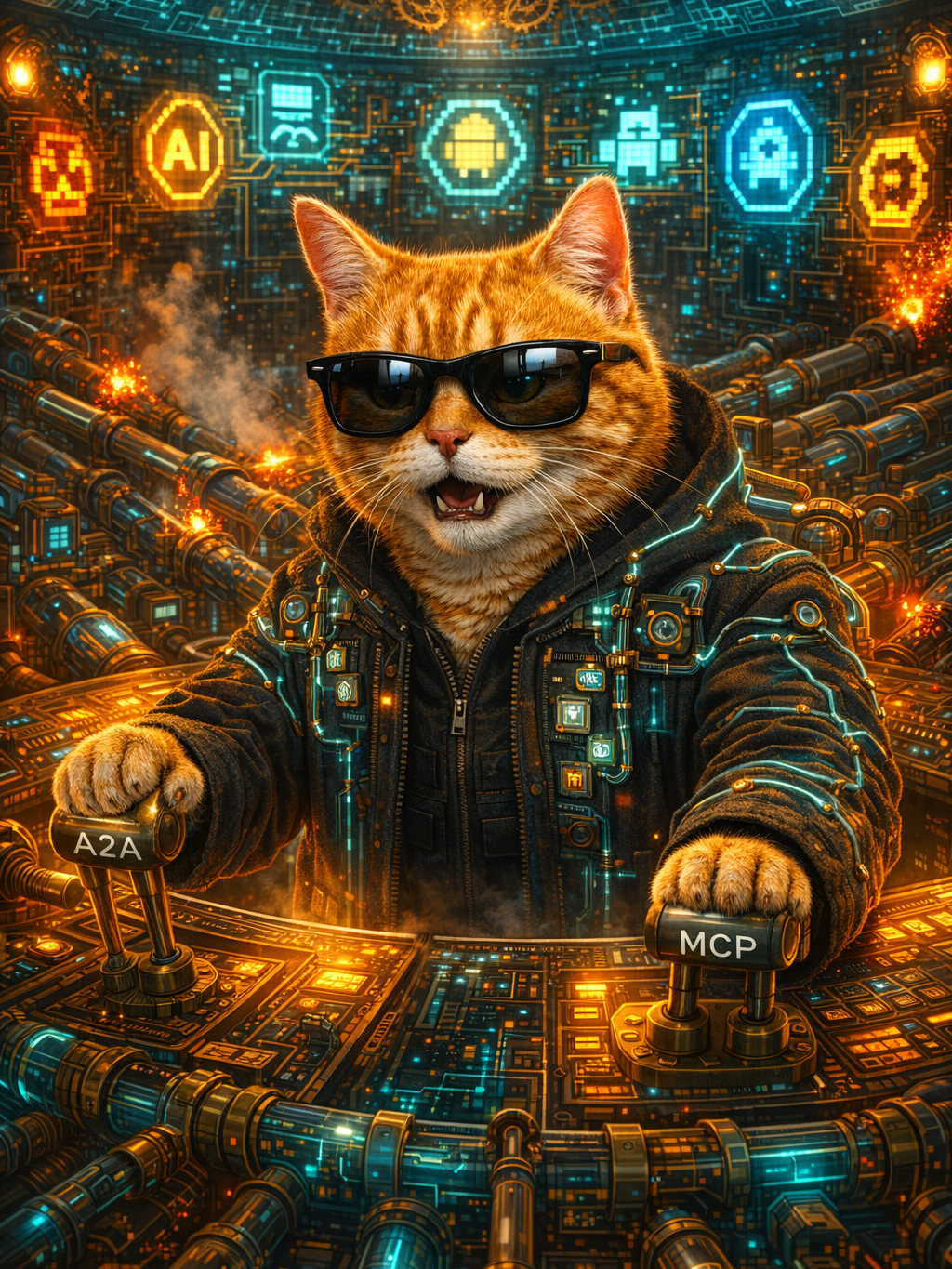
A2A और MCP अलग-अलग problems solve करते हैं।
MCP horizontal layer है: agent-to-tool connections। एक agent MCP use करके databases, APIs, filesystems, browsers — कुछ भी call कर सकता है जो protocol बोलता हो। इसे AI tool access के लिए USB-C समझो। अभी 10,000 से ज़्यादा active MCP servers public और enterprise deployments में चल रहे हैं।
A2A vertical layer है: agent-to-agent communication। एक agent दूसरे को "Agent Card" के ज़रिए discover करता है — एक JSON descriptor जिसमें capabilities और authentication requirements listed होती हैं। Initiating agent एक task delegate करता है। Receiving agent execute करता है, progress stream करता है, और result standardized format में वापस भेजता है।
MCP handle करता है कि agent किन tools तक पहुँच सकता है। A2A handle करता है कि agent किसे काम सौंप सकता है। दो axes जो पूरी surface cover करते हैं।
Cross-vendor orchestration सच में काम करता है
मार्च 2026 तक, तुम एक orchestrator agent बना सकते हो जो tasks को specialists को route करता है — चाहे वो बिल्कुल अलग infrastructure पर चल रहे हों। Claude-based planner एक coding task Copilot-style agent को delegate करता है, result वापस लेता है, उसे local model पर चलने वाले testing agent को pass करता है, सब aggregate करता है, और user को respond करता है।
Glue अब protocol है। हर hop के लिए कोई custom serialization नहीं। Handoff standardized है। पहली बार "multi-agent" का मतलब actually interoperable है — सिर्फ एक vendor के ecosystem के अंदर नहीं।
Security model अभी तक ठीक से बना ही नहीं है
यहाँ वो बात है जो marketing decks में नहीं दिखती।
A2A v1.0 में signed Agent Cards आए — ये progress है। लेकिन बाकी trust layer अभी भी जुगाड़ पर चल रहा है। Agent Cards implementations में inconsistent हैं — एक vendor "capabilities" में लिखता है, दूसरा "supported_tasks" में, तीसरा ignore ही कर देता है। Error handling का कोई standard नहीं। Reference implementations के बाहर streaming support ठीक से काम नहीं करता।
जब चार agents एक delegation chain बनाते हैं और एक तुम्हारी तरफ से किसी third-party system में action लेता है — तो authorize किसने किया? A2A v1.0 में cryptographic identity है लेकिन standard capability token system नहीं। MCP का 2026 roadmap audit trails, SSO-integrated auth, और gateway behavior में gaps accept करता है। जो भी production multi-agent pipelines बना रहा है, वो authorization layer अभी भी jugaad से handle कर रहा है। ये engineering नहीं है। ये उम्मीद है।
तुम्हारे लिए इसका मतलब क्या है
अगर तुम कुछ भी agent-based बना रहे हो, तो A2A और MCP को concepts के तौर पर सीखो। ज़रूरी नहीं कि scratch से implement करो — raw protocol आज product builders से ज़्यादा platform builders के काम आता है। लेकिन जानो कि कौन से vendors support करते हैं। Ecosystem उस model की तरफ बढ़ रहा है जहाँ AI capabilities network-addressable services होंगी, hardcoded dependencies नहीं। आज एक ऐसा agent design करो जो assume करे कि room में बस वही एक agent है, और तुम obsolescence के लिए design कर रहे हो।
Pipes बिछाई जा रही हैं
Agent ecosystem को अभी अपना TCP/IP moment मिला है — वो foundational networking layer जिसने internet को possible बनाया। Routing protocols में गड़बड़ है, security पर कोई agree नहीं करता, और बेहतर tooling v1 implementations को खा जाएगी। लेकिन plumbing real है। इसके ऊपर क्या बनेगा — और router किसके हाथ में होगा — यही वो सवाल है जो देखने लायक है।