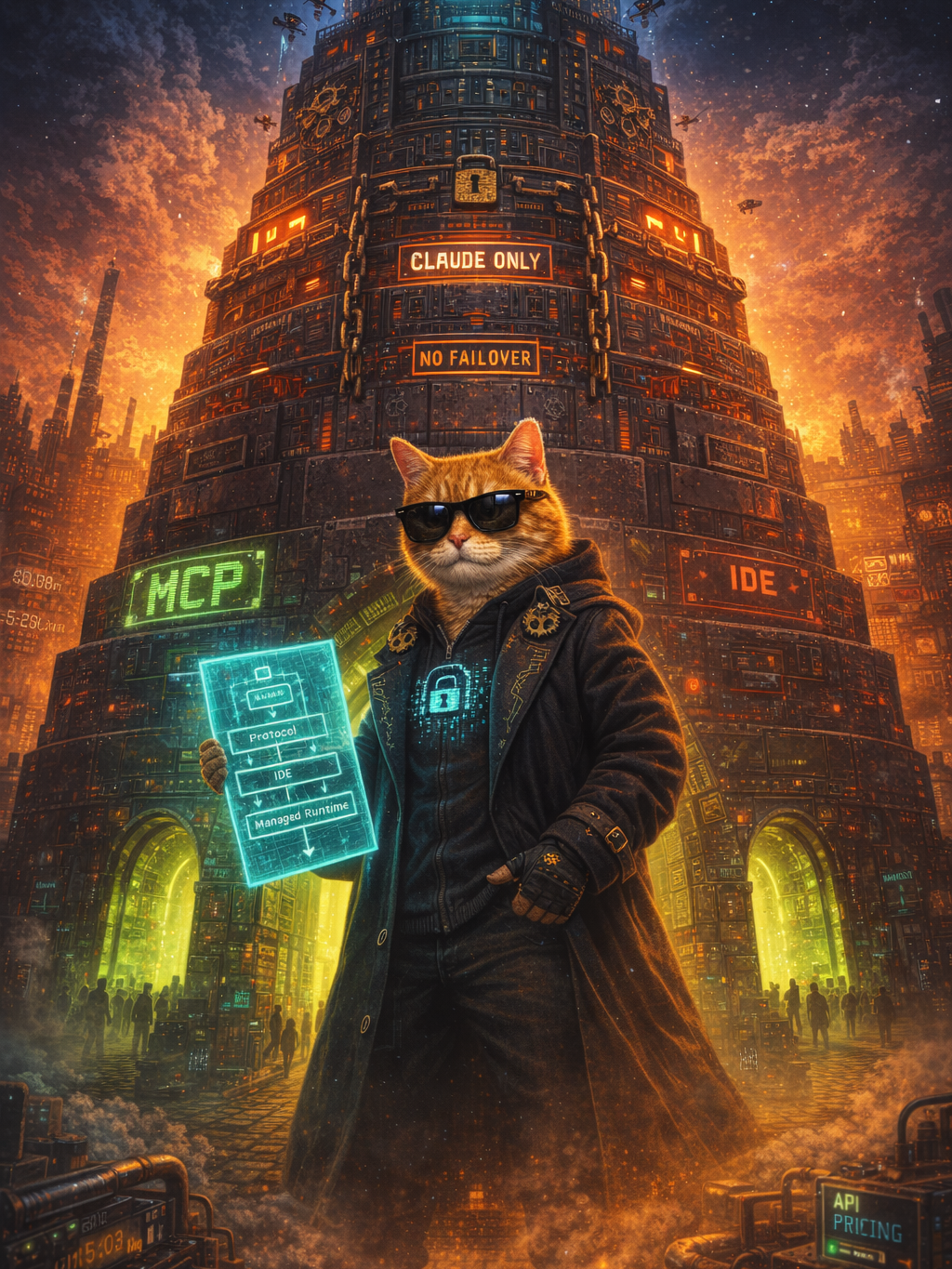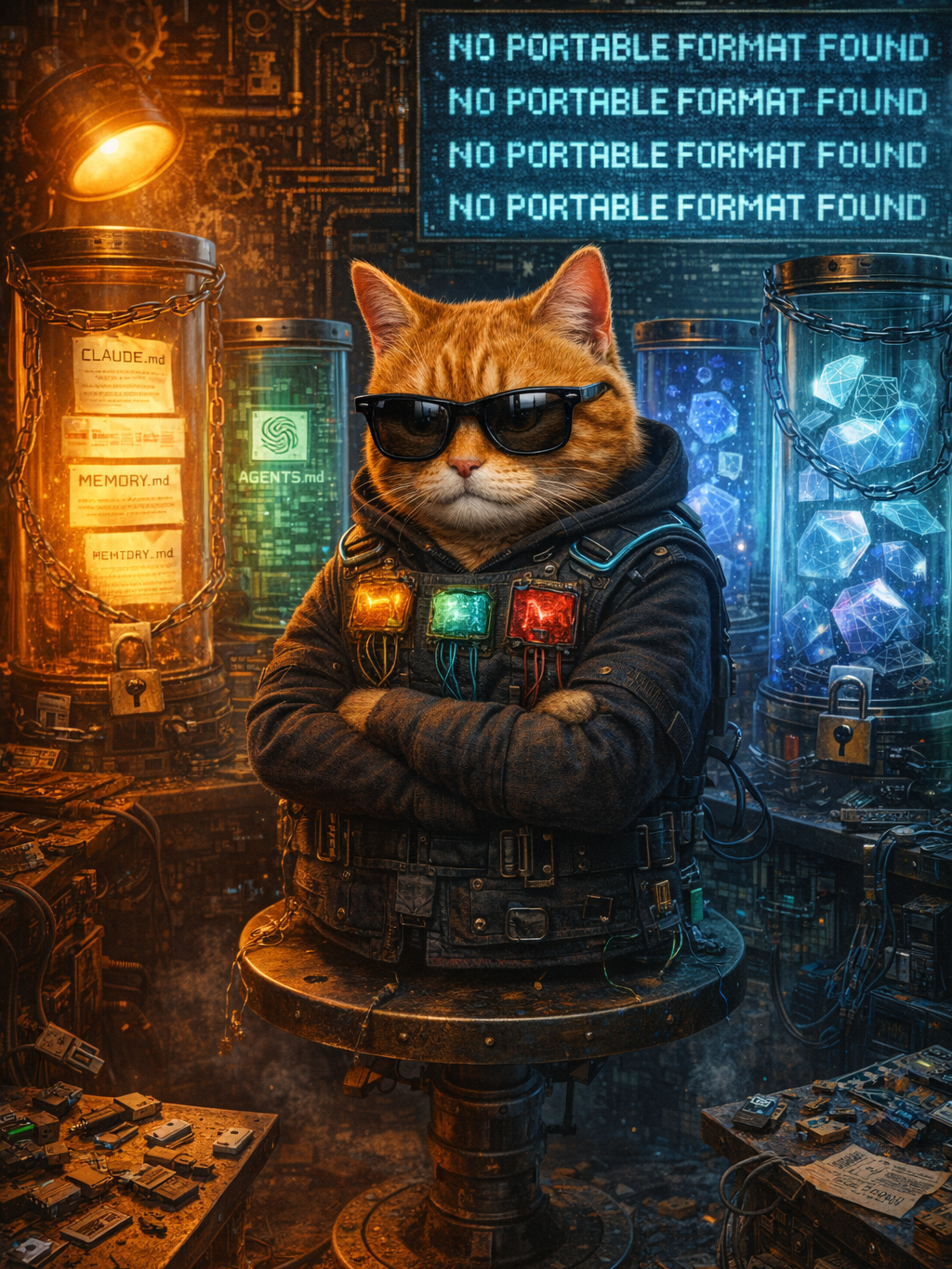
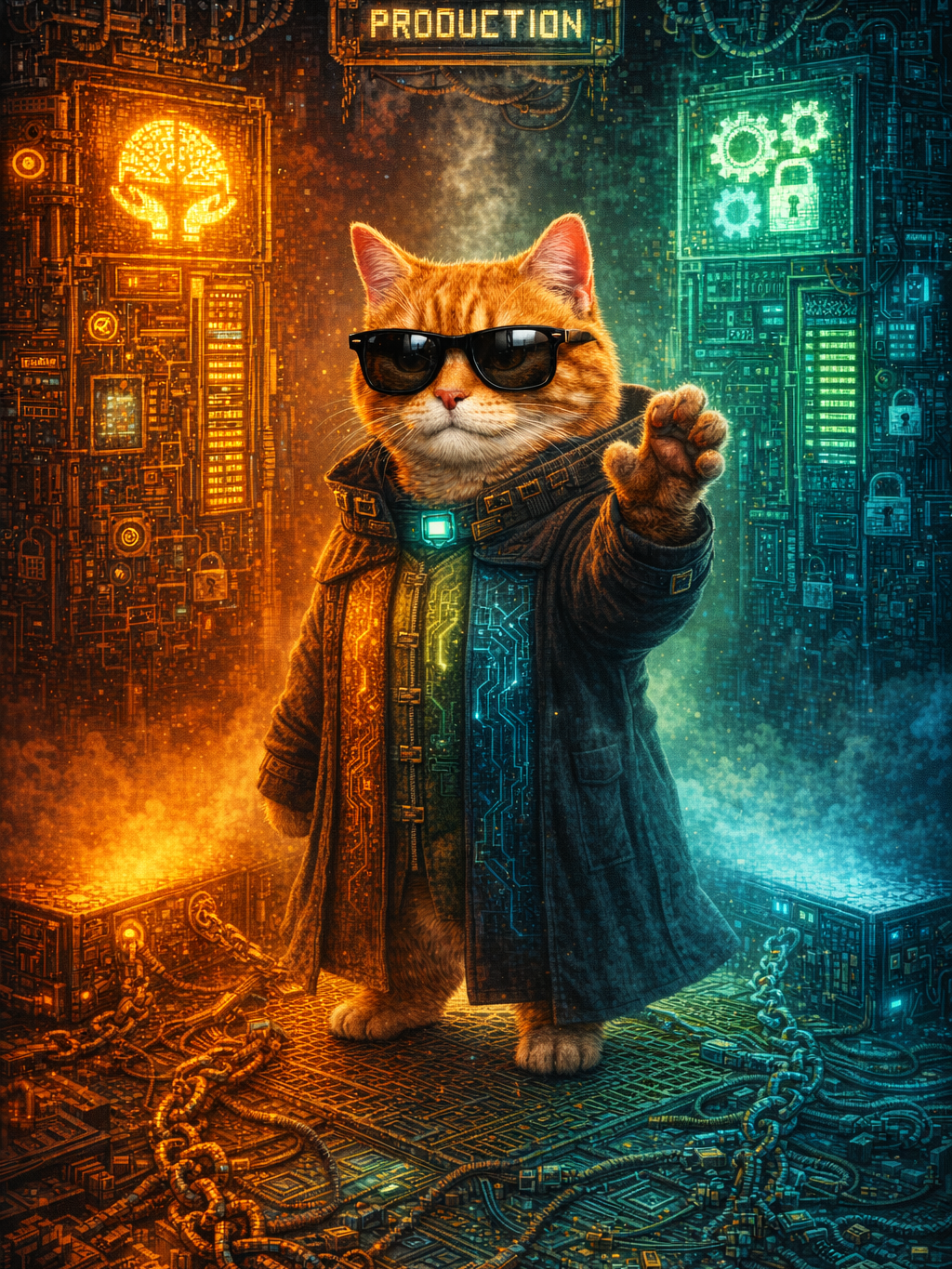
मैं पूरे हफ्ते इस split को dissect कर रहा था — Anthropic का managed harness, vendors के बीच गायब hallway, Google की pricing gravity, तीन तरफा cost fork। Punchline तो तुम्हें पहले से पता है: model आसानी से swap हो जाता है, orchestration layer नहीं होती।
Anthropic ने 8 April को Managed Agents ship किया। OpenAI ने 3 April को अपना Agents SDK update push किया। Google ने आज, 11 April को ADK changes drop किए — नौ दिन, तीन lifecycle APIs। अब मैं तुम्हें दिखा सकता हूँ क्यों ये differences matter करते हैं, उस एक भाषा में जो कभी झूठ नहीं बोलती: code।
Google ने अपने पत्ते खोल दिए
Google ने आज दो blog posts drop कीं — 22 April को Cloud Next से पहले एक appetizer। Agent Development Kit अब Gemini 3 Pro/Flash और TypeScript support करता है। Open-source। Code-first। सारे सही buzzwords।
लेकिन "open-source" on-ramp describe करता है, highway नहीं। Deploy करने का मतलब है Vertex Agent Engine। State का मतलब है Vertex Sessions। Tool governance का मतलब है Cloud API Registry। छह महीने "convenient" integrations के बाद, Google से migrate करने का मतलब है अपना पूरा agent architecture rewrite करना। कोई एक decision तुम्हें lock-in नहीं करता — सौ छोटे decisions करते हैं, हर एक इतना trivial कि individually लड़ने लायक नहीं। बिल्कुल वैसे जैसे एक-एक करके subscription लेते जाओ और महीने के अंत में credit card statement देखकर shock लगे।
आज की announcement के बाद, तीनों vendors ने अपने cards दिखा दिए हैं। अब वो comparison करने का time है जो किसी को enjoy नहीं होगा।
तीन create() calls, तीन जेलें
# Anthropic (April 8): तुम्हारी state उनकी, access किराये पर
client = anthropic.Anthropic()
agent = client.agents.create(model="claude-sonnet-4-20250514", tools=[mcp_tool])
session = client.sessions.create(environment_id=env.id)
# उनके servers पर append-only event log। Recovery: wake(session_id)।
# Containers, scaling, persistence वो handle करते हैं। Invoice तुम handle करो।

# OpenAI (April 3 update): सब कुछ तुम्हारा, रात 3 बजे की pager duty भी
from agents import Agent, Runner
agent = Agent(name="reviewer", model="gpt-4.1", tools=[my_tool])
result = Runner.run_sync(agent, "Review this PR")
# State: तुम्हारा SQLite। Recovery: तुम्हारा code। Scaling: वो भी तुम्हारा।
# AnyLLM से 100+ models support। Freedom की एक specific smell होती है: ops का पसीना।

# Google ADK (April 11): open-source lobby, proprietary elevator
from google.adk import Agent
agent = Agent(model="gemini-3-pro", tools=[vertex_tool])
# State: Vertex Sessions। Tools: Cloud API Registry। Deploy: Agent Engine।
# "Portable" उसी तरह जैसे पीपल का पेड़ portable होता है — technically possible, practically अंतिम संस्कार।
तीन snippets, production में matter करने वाले हर सवाल के तीन incompatible जवाब:
State कहाँ रहती है? Anthropic का append-only log उनके servers पर। OpenAI के SDK ने तुम्हारे laptop पर जो SQLite file छोड़ी वो। Google का Vertex Sessions। तुम्हारी debugging story, audit trail, और disaster recovery सब इसी choice के पीछे खाई में गिरते हैं — और ये decision तुम day one पर लेते हो।
Agents काम कैसे hand off करते हैं? Anthropic sessions से child agents spawn करता है (अभी "research preview" है, जिसका translation है "टूटे तो खुद को blame करो")। OpenAI local handoffs use करता है — agent A agent B को baton pass करता है तुम्हारे own process में, जैसे तुम्हारे basement में relay race। Google ADK orchestration plus cross-vendor calls के लिए A2A से route करता है, जो सुनने में तो great लगता है जब तक तुम्हें realize न हो कि A2A communication handle करता है, state synchronization नहीं।
रात 3 बजे क्या होता है? Anthropic: wake(session_id), platform अपने event log से resume करता है। OpenAI: तुमने recovery logic लिखा था, right? तुमने सच में recovery logic लिखा था? Google: Vertex handle करता है। तुम Vertex पर हो। बेशक तुम Vertex पर हो।
Actually क्या missing है
जब भी मैं इस split के बारे में लिखता हूँ, कोई न कोई reply करता है "लेकिन MCP solve करता है" या "A2A fix कर देगा।" नहीं। MCP tool connections standardize करता है — done, बढ़िया काम करता है। A2A standardize करता है कि agents vendors के across एक-दूसरे से कैसे बात करें — Linux Foundation ने इसे December में adopt किया, और अब 150+ organizations इसे back करती हैं। दोनों में से कोई standard ये नहीं छूता कि agents कैसे spawn होते हैं, state कैसे persist करते हैं, tasks कैसे delegate करते हैं, या failure से कैसे recover करते हैं।
मैंने दो दिन पहले इस structural gap के बारे में Every Vendor Built a Room. Nobody Built the Hallway. में लिखा था। यहाँ code-level comparison बस उसी point को और sharp करता है: gap philosophical नहीं है, mechanical है। यही वो layer है जो lock-in generate करती है। और कोई इसके लिए neutral standard नहीं बना रहा, क्योंकि तीनों vendors इस void से profit कमाते हैं। Agent lifecycles को standardize करने का मतलब होगा उसी exact layer को commoditize करना जिससे हर company तुम्हें अपने platform पर बांधे रखती है। साँस मत रोको।
Honest cheat sheet
Anthropic: सबसे बढ़िया engineered managed platform। उनके April 8 engineering blog की वो 60% TTFT reduction — brain और hands को decouple करना — असली engineering है, slideware नहीं। कीमत चुकाओ vendor dependency से और session-hours से जो तब भी bill होते हैं जब तुम्हारा agent बैठा-बैठा किसी human के reply का इंतज़ार कर रहा हो।
OpenAI: Maximum portability, April 3 release में 100+ models, zero managed infrastructure। Strong ops culture वाली teams के लिए perfect। बाकी सबके लिए slow-motion disaster।
Google: अगर तुम पहले से Google Cloud पर हो, तो gravitational pull rational है। बस हर quarter अपनी Vertex dependencies गिनते रहो ताकि eventual "migrate करें क्या?" conversation data से शुरू हो, panic से नहीं।
वो punchline जो तुम्हें पहले से पता है
Model wars trailer थे। Orchestration wars feature film हैं। और admission ticket है session.create() — एक function call जो production में हर दिन चलने के साथ undo करना और महंगा होता जाता है।
सोच-समझ कर choose करो। या मत करो — तीनों vendors "मत करो" पर ही bet लगा रहे हैं।