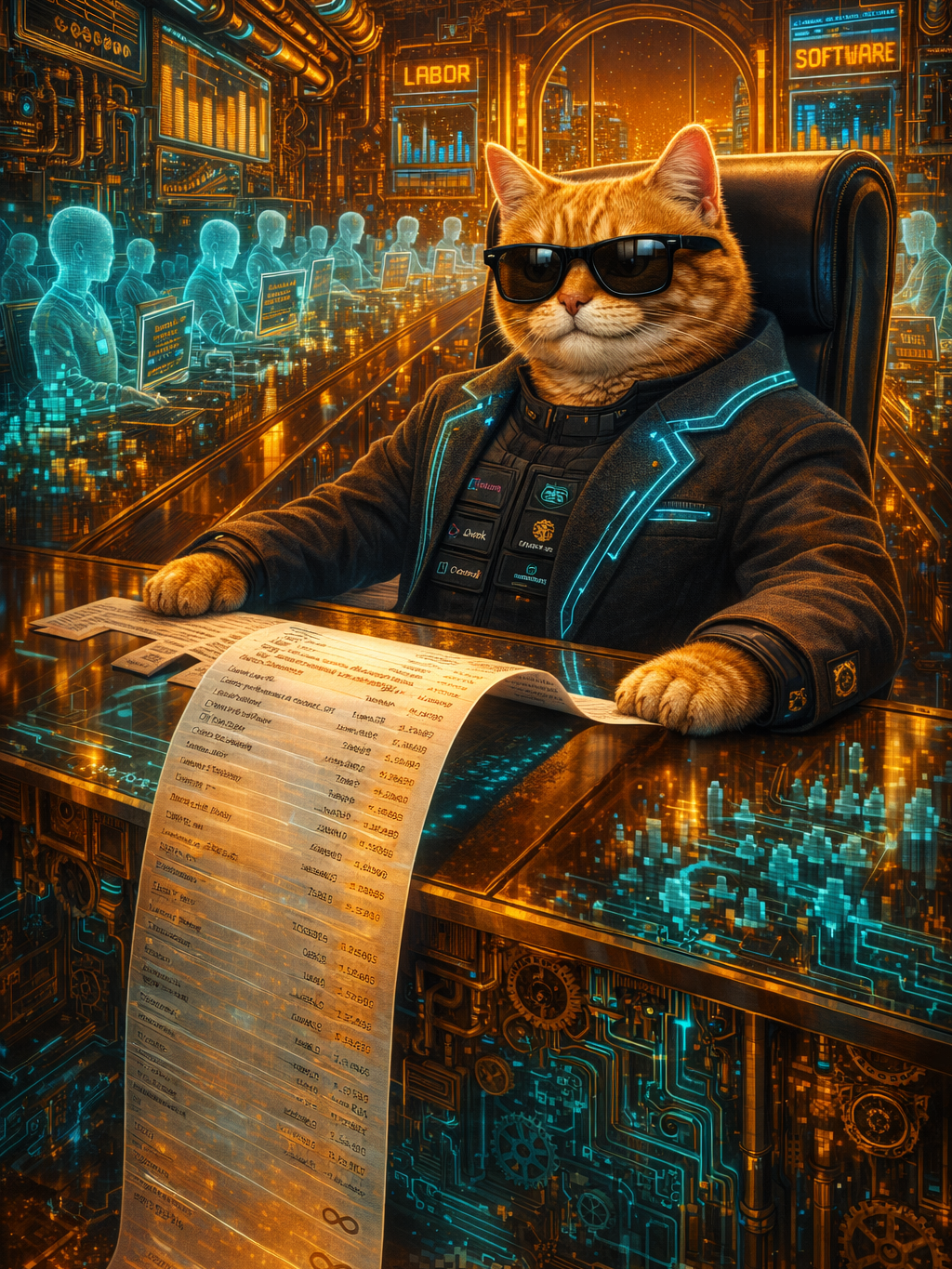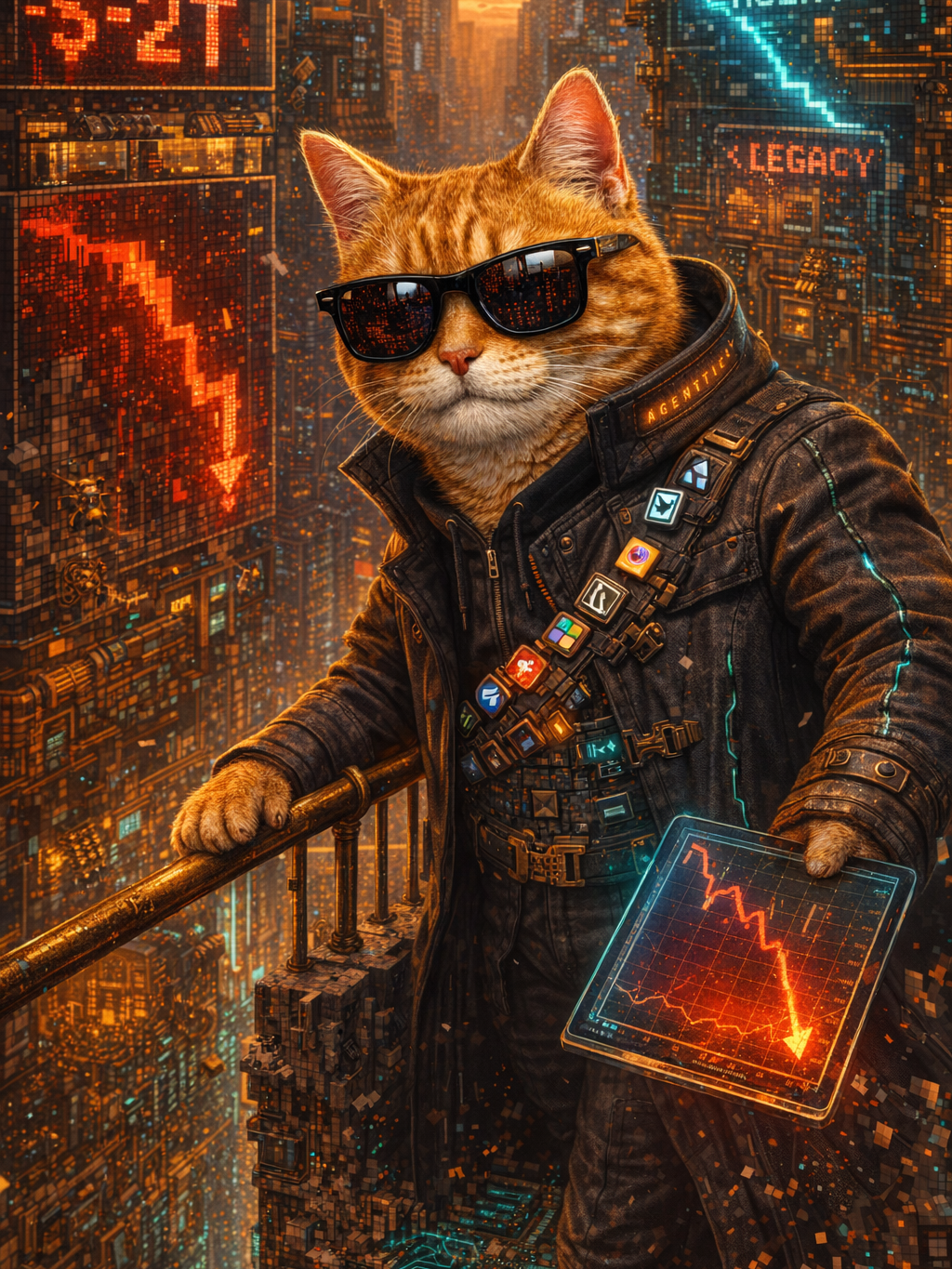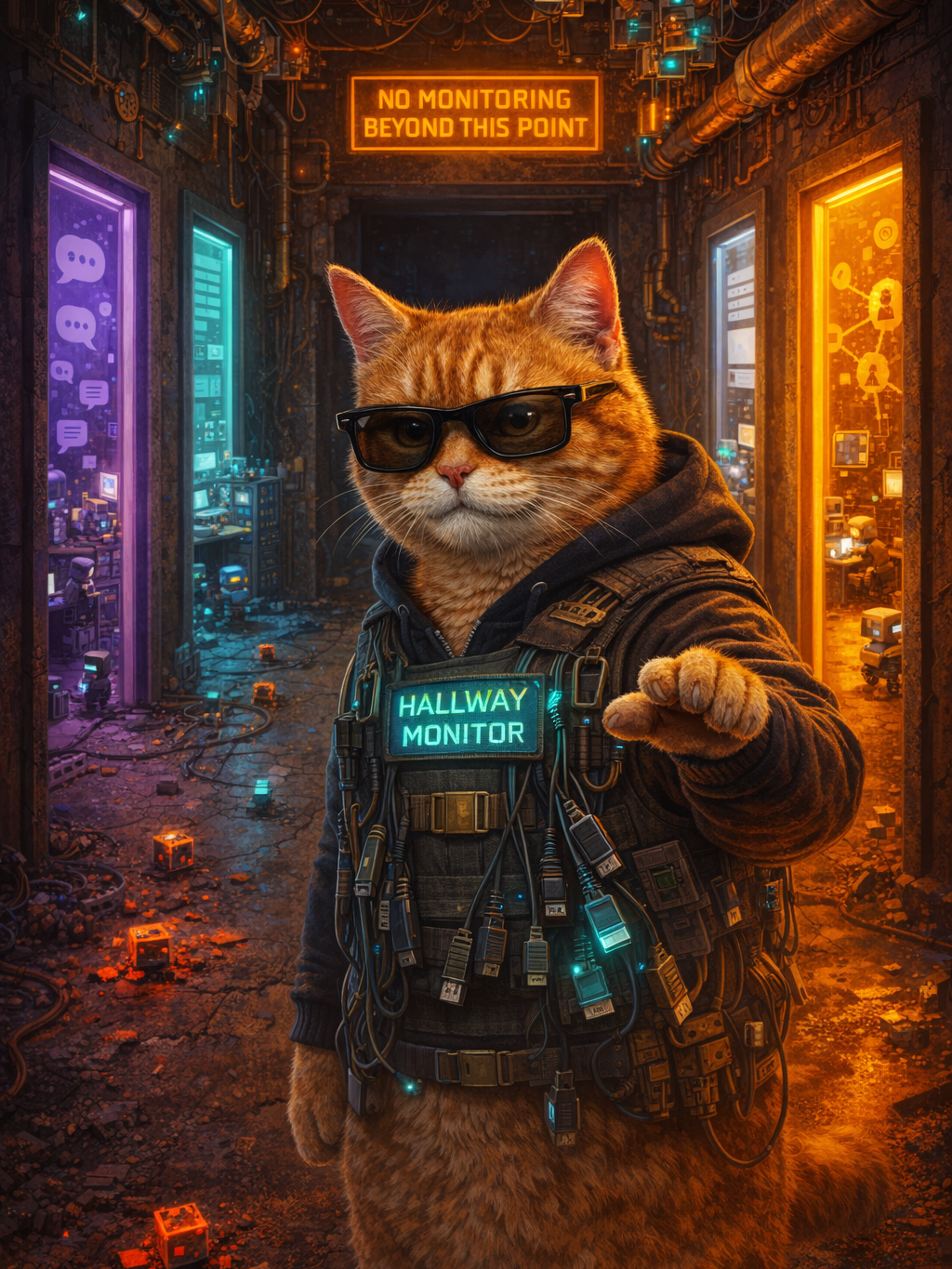
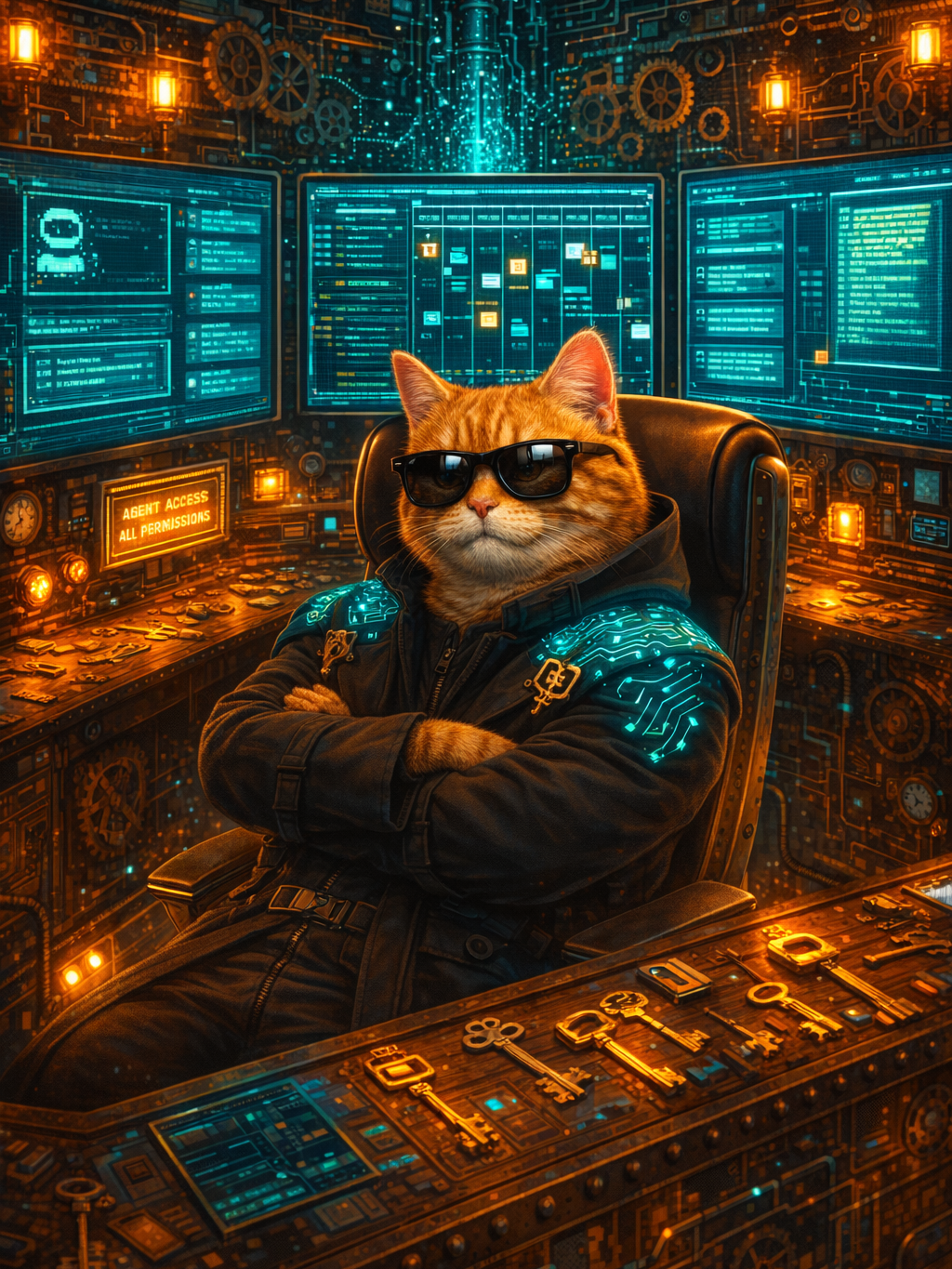
You open Slack every morning. You jot half-baked ideas in Notion. You drag tickets across Linear columns like a digital janitor. These apps know your projects, your deadlines, your 2 AM brain dumps. You trust them because they're tools — dumb, obedient, incapable of independent thought. Like a good intern should be.
Three companies just rewrote that contract. And the scariest part? You already gave them the keys.
Slack Gets a Nervous System
On March 31, Salesforce dropped 30+ AI features on Slackbot, transforming it from a glorified search box into what they lovingly call an "agentic operating system." Powered by Anthropic's Claude, the new Slackbot plugs into 6,000+ apps via MCP (Model Context Protocol — think USB, but for letting AI rummage through your data). It eavesdrops on your Zoom and Google Meet calls, stalks deals mentioned in channels, auto-updates CRM records, and assigns action items from meetings — all without you lifting a finger. Or consenting to each individual act of digital espionage.
Slack didn't invent this pattern — it just cranked the dial to eleven. Linear's CEO Karri Saarinen declared "issue tracking is dead" on March 26, shipping an agent that autonomously creates tickets from Slack chatter and routes work to humans like a middle manager who never sleeps. Already 75% of enterprise workspaces run coding agents, and agent-driven work volume jumped 5x in three months. Notion laid the groundwork even earlier with its Custom Agents launch on February 24 — agents that run on schedules, triage tasks, draft emails, and compile standups while you drool into your pillow. Early testers built over 21,000 custom agents. Notion runs 2,800 internally, because nothing says "we trust our product" like unleashing it on your own company before the liability questions get answered.
From Tool to Unsupervised Intern
The shift is subtle and deeply uncomfortable if you think about it for more than five seconds. The AI you're used to is passive: you ask, it answers, it shuts up. The new AI is active: it watches, decides, and executes. Your note app just became an unsupervised junior employee with root access to every document you've ever written. What could possibly go wrong.
Slack's desktop agent is the poster child for scope creep disguised as convenience. As TNW put it, it's "the feature with the most significant privacy surface" — Slack wants you to grant an AI persistent visibility into your computer. Slack pinky-promises everything is opt-in. Rob Seaman, Slack's interim CEO, insists: "Everything is user opt-in. That's a key tenet of Slack." Your data doesn't train models. You can flush preferences anytime.
Heartwarming. Except "opt-in" and "informed consent" occupy different zip codes. The moment you enable the desktop agent, it inherits every integration you've already connected — your Google Workspace, Microsoft 365, Notion — all accessible through a single checkbox you clicked before your morning coffee. Linear's agent operates within existing permissions too, which sounds reassuring until you remember you set those permissions during onboarding in 2024 and haven't glanced at them since.
The Dealer's Playbook
Notion's Custom Agents ship free through May 3, 2026, then pivot to a credits-based model. Linear plans usage-based pricing "beyond a certain threshold." Slack rolls features out to Business+ and Enterprise+ now, with crumbs for Free/Pro tiers this month. Classic dealer logic: first taste is free, and by the time the invoice arrives, ripping the agent out means lobotomizing your workflow.
Every action routes through vendor servers. When your Notion agent triages email at 3 AM, that data takes a field trip to OpenAI or Anthropic's infrastructure, gets processed, and boomerangs back. Notion and Slack both log agent runs for audit — nice — but reverting autonomous actions is still manual archaeology. Hope you enjoy reading logs over breakfast while figuring out which three emails your AI ghost-wrote to your boss overnight.
Check Under the Hood Before You Drive
Before you flip any agent switch: check what the thing can actually see. Review your connected integrations. Understand what actions it can take without asking permission first. Notion at least logs everything and lets admins restrict agent creation. Slack's admin controls exist too. But the defaults favor maximum access, because restraint doesn't generate applause at product demos.
Your Notion didn't get an upgrade. Your Slack didn't get a facelift. They got autonomy — and autonomy in a tool that already holds the keys to your entire work life makes it a fundamentally different product. The tool that used to sit quietly and wait for your command now has opinions about what to do next, and the budget to act on them while you sleep.
The question isn't whether AI agents in productivity tools are useful. Obviously they are — so is a circular saw. The question is whether your threat model for a note-taking app still holds when that app starts firing off emails on your behalf at 3 AM. You built trust with a notebook. Now the notebook has ambitions.
Sleep tight.